Semi Truck Ramps For Sale: A Comprehensive Guide to Choosing the Right Ramp for Your Needs
Moving heavy equipment or vehicles with a semi-truck often presents a significant logistical challenge. Loading docks aren't always readily available, and even when they are, navigating tight spaces can be tricky. This is where semi-truck ramps come in – invaluable tools that bridge the gap between ground level and the truck bed, enabling safe and efficient loading and unloading. This comprehensive guide explores the world of semi-truck ramps for sale, providing the information you need to make an informed decision and choose the right ramp for your specific needs.
What are Semi-Truck Ramps and Why are They Important?
Semi Truck Ramps For Sale: A Comprehensive Guide to Choosing the Right Ramp for Your Needs
Semi-truck ramps are portable or semi-permanent structures designed to facilitate the loading and unloading of cargo, vehicles, or equipment onto or off a semi-truck bed. They provide a gradual incline, eliminating the need for a loading dock or forklift in many situations.
Their importance stems from:
- Increased Efficiency: Ramps significantly speed up the loading and unloading process, saving time and labor costs.
- Enhanced Safety: They provide a stable and controlled pathway for moving heavy items, reducing the risk of accidents and injuries.
- Greater Flexibility: Ramps allow you to load and unload cargo in locations without dedicated loading docks, expanding your operational possibilities.
- Cost-Effectiveness: In the long run, ramps can be more cost-effective than relying solely on forklifts or external loading dock services.
- Versatility: Many ramps are designed to handle a variety of loads, from vehicles to machinery to palletized goods.

Types of Semi-Truck Ramps:
Understanding the different types of semi-truck ramps available is crucial for selecting the best option for your situation. Here's a breakdown of the most common types:
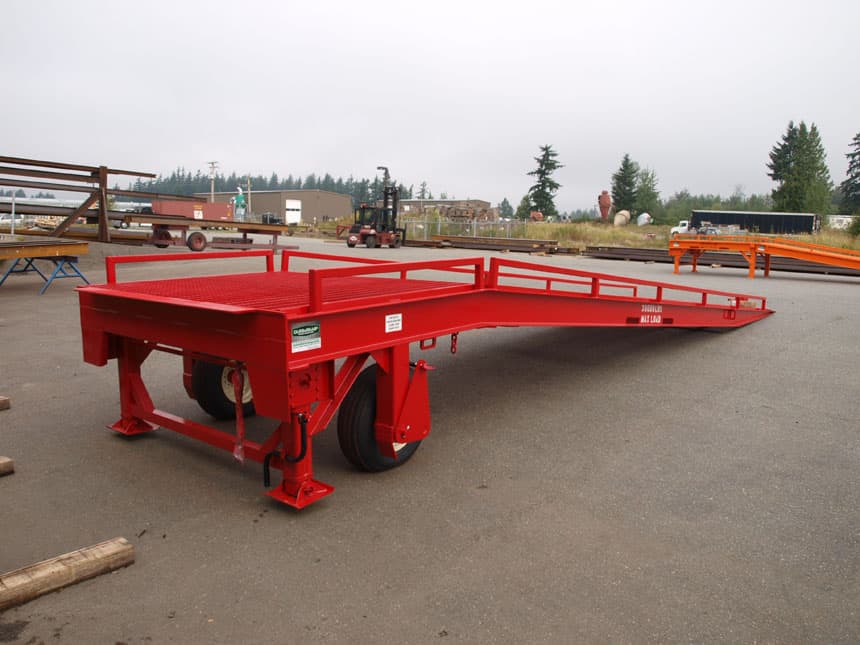
Portable Loading Ramps: These are the most versatile and widely used type. They are designed to be easily moved and set up, typically constructed from aluminum or steel. They often feature adjustable height and width options to accommodate different truck bed heights and load sizes.
-
Vehicle Loading Ramps: Specifically designed for loading cars, trucks, and other vehicles onto semi-trucks. They often have a wider surface and higher weight capacity to handle the weight of vehicles.
-
Heavy Equipment Ramps: Constructed with extremely robust materials and designed to handle the immense weight of construction equipment, machinery, and other heavy loads. They often feature reinforced construction and anti-slip surfaces.
-
Container Ramps: Used to access the inside of shipping containers when they are sitting on the ground or at an intermediate height. They typically have a short, steep incline and are designed to handle pallet jacks and forklifts.
-
Threshold Ramps: These smaller ramps are used to overcome small height differences, such as the lip of a container or the edge of a loading dock. They are often used in conjunction with other types of ramps to create a smoother transition.

Key Considerations When Choosing a Semi-Truck Ramp:
Before purchasing a semi-truck ramp, carefully consider these factors to ensure you select the right ramp for your specific needs:
- Weight Capacity: This is the most critical factor. Always choose a ramp with a weight capacity that exceeds the maximum weight of the heaviest item you will be loading or unloading. Erring on the side of caution is always recommended.
- Ramp Length: The length of the ramp determines the incline angle. A longer ramp will have a gentler slope, making it easier and safer to load and unload heavy items. Consider the clearance of the items you will be loading; a low-clearance vehicle may require a longer ramp.
- Ramp Width: The width of the ramp should be sufficient to accommodate the width of the load you will be moving. Ensure there is enough clearance on either side to prevent accidents.
- Material: Aluminum ramps are lightweight, corrosion-resistant, and easy to handle. Steel ramps are stronger and more durable but also heavier. Choose the material that best balances your needs for strength, portability, and longevity.
- Surface Traction: The ramp surface should have adequate traction to prevent slipping, especially in wet or icy conditions. Look for ramps with textured surfaces, raised edges, or anti-slip coatings.
- Adjustability: Some ramps offer adjustable height and width options, providing greater flexibility for different truck bed heights and load sizes.
- Safety Features: Look for ramps with safety features such as side rails, locking mechanisms, and non-slip surfaces.
- Portability: If you need to move the ramp frequently, consider a lightweight and foldable model.
- Budget: Semi-truck ramps range in price depending on their size, weight capacity, material, and features. Set a budget and compare different options within your price range.
- Compliance: Ensure the ramp meets all relevant safety standards and regulations.
How to Safely Use Semi-Truck Ramps:
Safety is paramount when using semi-truck ramps. Follow these guidelines to prevent accidents and injuries:
- Inspect the Ramp: Before each use, inspect the ramp for any signs of damage, such as cracks, dents, or loose bolts. Do not use the ramp if it is damaged.
- Proper Placement: Ensure the ramp is securely positioned against the truck bed and on a stable surface. Use straps or chains to secure the ramp to the truck if necessary.
- Weight Distribution: Distribute the weight evenly across the ramp to prevent overloading.
- Slow and Steady: Move slowly and carefully when loading or unloading items. Avoid sudden movements or changes in direction.
- Use Spotters: Have someone spot you when loading or unloading heavy items, especially if you are using a forklift or other equipment.
- Wear Appropriate Safety Gear: Wear appropriate safety gear, such as safety shoes, gloves, and eye protection.
- Follow Manufacturer Instructions: Always follow the manufacturer's instructions for proper use and maintenance of the ramp.
- Weather Conditions: Be extra cautious when using ramps in wet, icy, or windy conditions.
- Never Exceed Weight Capacity: Never exceed the ramp's weight capacity.
Potential Challenges and Solutions:
- Challenge: Finding the right ramp with the correct weight capacity.
- Solution: Carefully assess your needs and err on the side of caution when selecting a ramp with a weight capacity.
- Challenge: Slipping on the ramp surface.
- Solution: Choose a ramp with a non-slip surface or add traction tape.
- Challenge: Difficulty maneuvering heavy items on the ramp.
- Solution: Use a forklift or other equipment to assist with loading and unloading.
- Challenge: Damage to the ramp due to overloading or improper use.
- Solution: Follow the manufacturer's instructions and use the ramp properly.
Price Table for Semi Truck Ramps:
| Ramp Type | Weight Capacity (lbs) | Material | Approximate Price Range | Key Features |
|---|---|---|---|---|
| Portable Loading Ramp (Standard) | 6,000 - 10,000 | Aluminum | $800 - $1,500 | Adjustable height, lightweight, non-slip surface |
| Portable Loading Ramp (Heavy Duty) | 12,000 - 20,000 | Steel | $1,500 - $3,000 | Reinforced construction, high weight capacity, durable |
| Vehicle Loading Ramp | 8,000 - 15,000 | Aluminum | $1,200 - $2,500 | Wide surface, vehicle-specific design, integrated safety rails |
| Heavy Equipment Ramp | 20,000 - 40,000+ | Steel | $3,000 - $6,000+ | Extremely robust, reinforced, designed for heavy machinery |
| Container Ramp | 5,000 - 10,000 | Steel | $600 - $1,200 | Short incline, designed for pallet jacks and forklifts, container access |
| Threshold Ramp | 1,000 - 3,000 | Aluminum | $100 - $300 | Small height difference compensation, portable, lightweight |
Note: Prices are approximate and may vary depending on the brand, retailer, and specific features.
Frequently Asked Questions (FAQ):
- Q: How do I determine the correct weight capacity for my ramp?
- A: Calculate the weight of the heaviest item you will be loading or unloading and add a safety margin of at least 20%.
- Q: What is the best material for a semi-truck ramp?
- A: Aluminum is lightweight and corrosion-resistant, while steel is stronger and more durable. Choose the material that best balances your needs for strength, portability, and longevity.
- Q: How do I maintain my semi-truck ramp?
- A: Regularly inspect the ramp for damage and lubricate any moving parts. Store the ramp in a dry place when not in use.
- Q: Are there any safety regulations for using semi-truck ramps?
- A: Yes, consult your local and national safety regulations for specific requirements.
- Q: Can I use a semi-truck ramp on uneven ground?
- A: It is not recommended to use a semi-truck ramp on uneven ground. Ensure the ramp is placed on a stable and level surface.
Conclusion:
Investing in the right semi-truck ramp can significantly improve the efficiency, safety, and flexibility of your operations. By carefully considering the factors outlined in this guide and choosing a ramp that meets your specific needs, you can ensure a smooth and safe loading and unloading process for years to come. Remember to prioritize safety and always follow the manufacturer's instructions. The right ramp is an investment in productivity and peace of mind.

