Semi Trucks For Sale Nationwide: A Comprehensive Guide for Buyers
The open road beckons, and for many, that call to adventure and opportunity is answered behind the wheel of a semi-truck. Whether you're an owner-operator expanding your fleet, a new entrant into the trucking industry, or a fleet manager looking to upgrade your vehicles, navigating the world of "Semi Trucks For Sale Nationwide" can feel like traversing a vast and complex highway system. This comprehensive guide aims to be your trusted map, providing the knowledge and insights you need to confidently navigate the market and find the perfect semi-truck to meet your needs and budget.
Why is Understanding "Semi Trucks For Sale Nationwide" Important?
Semi Trucks For Sale Nationwide: A Comprehensive Guide for Buyers
Purchasing a semi-truck is a significant investment, often representing a substantial portion of a trucking business's capital. A well-informed purchase decision can lead to increased profitability, reduced maintenance costs, and greater driver satisfaction. Conversely, a rushed or poorly researched purchase can result in financial losses, downtime, and operational headaches. Understanding the nuances of the nationwide semi-truck market, including factors like pricing, financing options, available models, and inspection protocols, is crucial for making a smart and strategic investment.
Section 1: Defining Your Needs: The Foundation for a Successful Search
Before diving into the vast landscape of semi-trucks for sale, it's imperative to clearly define your specific needs. This crucial step will narrow your search and prevent you from being overwhelmed by the sheer volume of available options. Consider the following factors:
- Type of Freight: What type of goods will you be hauling? Different types of freight require different truck specifications. Flatbeds need strong frames and load-securing capabilities, while refrigerated trucks require powerful cooling systems.
- Typical Hauling Distances: Will you be primarily engaged in long-haul trucking, regional deliveries, or local routes? Long-haul operations often require sleeper cabs for driver comfort and extended driving time.
- Terrain: Will you be driving primarily on flat terrain or mountainous regions? Hilly or mountainous routes demand trucks with higher horsepower and robust braking systems.
- Budget: Establish a realistic budget, taking into account not only the initial purchase price but also ongoing maintenance costs, insurance premiums, and fuel expenses.
- New vs. Used: Weigh the pros and cons of purchasing a new versus a used truck. New trucks offer the latest technology and warranty protection, but come with a higher price tag. Used trucks can be more affordable, but require careful inspection and may have higher maintenance costs.
- Desired Features: Consider specific features that are important to you, such as automatic transmissions, advanced safety systems (e.g., lane departure warning, collision mitigation), and comfortable cabin amenities.
- Emission Standards: Be aware of the emission standards in the areas you'll be operating. Some states have stricter regulations than others, and older trucks may not meet these requirements.
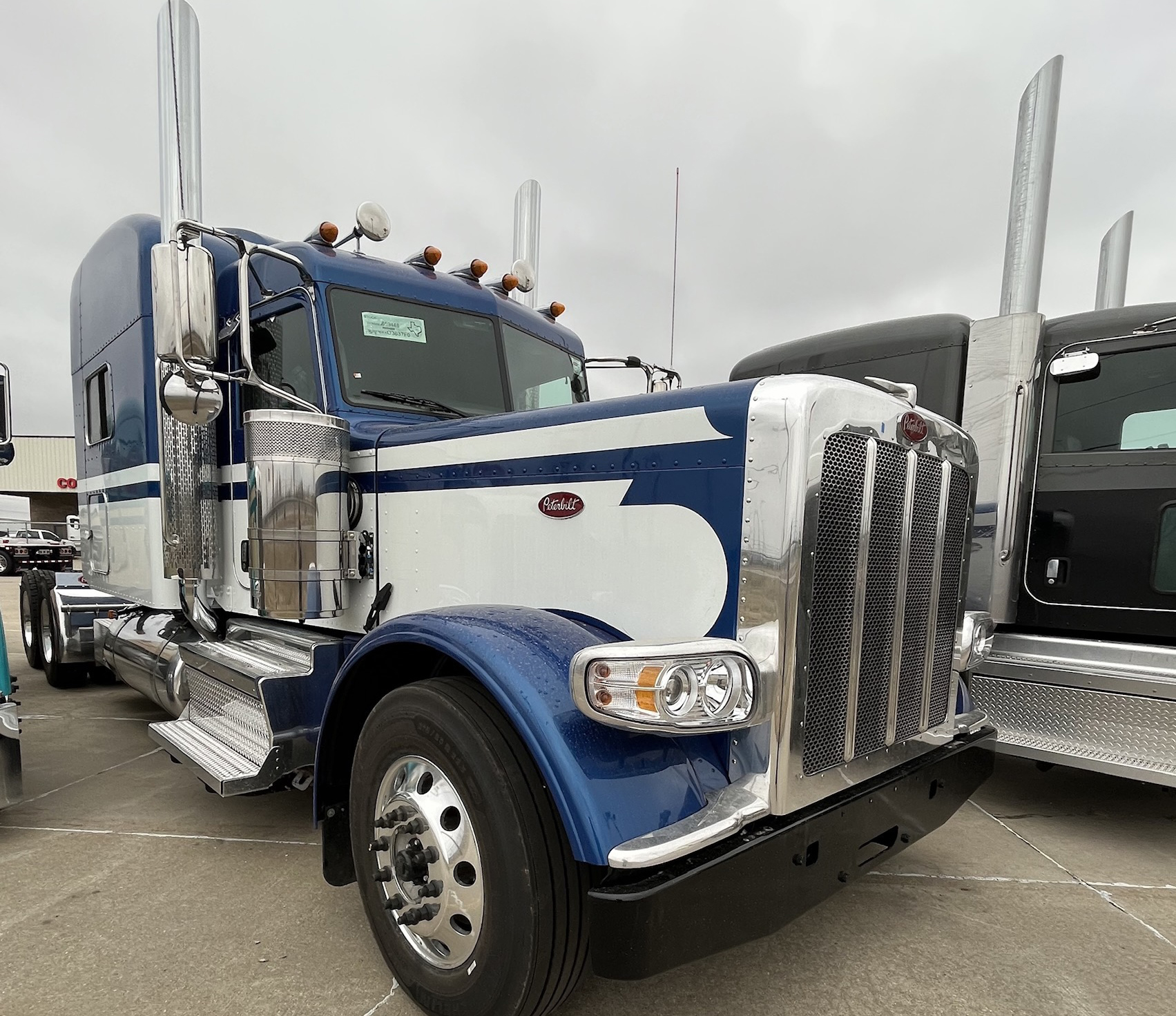
Section 2: Navigating the Market: Where to Find Semi Trucks For Sale

Once you've defined your needs, it's time to explore the various avenues for finding semi-trucks for sale nationwide.
- Online Marketplaces: Websites like TruckPaper.com, CommercialTruckTrader.com, and Craigslist are popular platforms for listing semi-trucks for sale. These sites offer a vast selection of trucks from dealers and private sellers, allowing you to filter your search by make, model, year, price, and location.
- Truck Dealerships: Visiting truck dealerships, both local and national chains, offers the advantage of seeing trucks in person and speaking with knowledgeable sales representatives. Dealerships often provide financing options and warranty packages.
- Auctions: Truck auctions can be a source of good deals, but they also carry risks. It's crucial to thoroughly inspect the trucks before bidding and to understand the auction terms and conditions. Ritchie Bros. Auctioneers is a well-known player in this market.
- Private Sellers: Purchasing directly from private sellers can sometimes result in lower prices, but it also requires more due diligence. Be sure to carefully inspect the truck, review its maintenance records, and obtain a pre-purchase inspection from a qualified mechanic.
- Fleet Liquidations: Companies that are downsizing or upgrading their fleets often sell off their used trucks. These trucks may be well-maintained and offer good value.

Section 3: Evaluating Potential Purchases: Due Diligence is Key
Before committing to a purchase, it's essential to conduct thorough due diligence to ensure that you're getting a reliable and well-maintained truck.
- Visual Inspection: Carefully examine the truck's exterior and interior for signs of damage, wear and tear, and neglect. Pay attention to the tires, brakes, suspension, and body panels.
- Test Drive: Take the truck for a test drive to assess its performance, handling, and overall condition. Listen for any unusual noises or vibrations.
- Maintenance Records: Review the truck's maintenance records to determine its service history and identify any recurring problems.
- Pre-Purchase Inspection: Have a qualified mechanic perform a comprehensive pre-purchase inspection to identify any hidden issues that may not be apparent during a visual inspection or test drive. This inspection should include an engine diagnostic test, a brake inspection, and a suspension check.
- Vehicle History Report: Obtain a vehicle history report from a reputable provider like Carfax or AutoCheck to check for accidents, title issues, and odometer discrepancies.
- VIN Verification: Verify the truck's Vehicle Identification Number (VIN) to ensure that it matches the documentation and that the truck has not been stolen or tampered with.
Section 4: Financing Your Purchase: Exploring Your Options
Financing is often a necessary part of purchasing a semi-truck. Several financing options are available, each with its own advantages and disadvantages.
- Truck Loans: Traditional truck loans are offered by banks, credit unions, and finance companies. These loans typically require a down payment and offer fixed or variable interest rates.
- Equipment Leasing: Leasing allows you to use a truck for a specified period of time in exchange for regular payments. At the end of the lease term, you may have the option to purchase the truck.
- SBA Loans: The Small Business Administration (SBA) offers loan programs that can help small businesses, including trucking companies, obtain financing.
- Seller Financing: In some cases, the seller may be willing to provide financing for the purchase. This can be a good option if you have difficulty obtaining financing from traditional lenders.
Section 5: Negotiation and Closing the Deal: Getting the Best Price
Once you've found a truck that meets your needs and passed your due diligence checks, it's time to negotiate the price and close the deal.
- Research Market Value: Before making an offer, research the market value of similar trucks to determine a fair price.
- Be Prepared to Walk Away: Don't be afraid to walk away from a deal if you're not comfortable with the price or terms.
- Get Everything in Writing: Make sure all terms of the agreement, including the purchase price, financing terms, and warranty coverage, are clearly stated in writing.
- Review the Paperwork Carefully: Before signing any documents, carefully review them to ensure that you understand all of the terms and conditions.
Section 6: Maintaining Your Investment: Protecting Your Truck's Value
After purchasing your semi-truck, it's crucial to maintain it properly to protect your investment and ensure its long-term reliability.
- Regular Maintenance: Follow the manufacturer's recommended maintenance schedule, including oil changes, filter replacements, and fluid checks.
- Prompt Repairs: Address any repairs promptly to prevent minor problems from escalating into major issues.
- Driver Training: Provide your drivers with proper training on safe driving practices and truck maintenance procedures.
- Secure Parking: Park your truck in a secure location to prevent theft and vandalism.
Table: Semi Trucks For Sale Nationwide - Key Considerations
| Feature | New Truck | Used Truck |
|---|---|---|
| Price | Higher | Lower |
| Warranty | Typically Included | May or may not be available |
| Maintenance | Lower initially | Potentially higher |
| Technology | Latest features | Older technology |
| Financing | Easier to secure | May be more difficult to secure |
| Depreciation | Depreciates rapidly initially | Depreciates less rapidly |
| Considerations | Long-term investment, warranty | Budget-friendly, careful inspection |
Conclusion: Driving Your Business Forward
The process of finding and purchasing semi-trucks for sale nationwide can be complex, but with careful planning, thorough research, and diligent due diligence, you can make a smart investment that will drive your business forward. Remember to define your needs, explore your options, evaluate potential purchases carefully, secure appropriate financing, negotiate effectively, and maintain your investment properly. By following these guidelines, you'll be well-equipped to navigate the nationwide semi-truck market and find the perfect vehicle to meet your needs and achieve your business goals.
Frequently Asked Questions (FAQ)
Q: What is the average lifespan of a semi-truck engine?
A: The average lifespan of a well-maintained semi-truck engine is typically between 750,000 and 1,000,000 miles.
Q: What are the most common maintenance issues with semi-trucks?
A: Common maintenance issues include brake problems, tire wear, engine issues, and electrical problems.
Q: What is the difference between a day cab and a sleeper cab?
A: A day cab is a truck without a sleeping compartment, designed for short-haul or local operations. A sleeper cab has a sleeping compartment for drivers who need to travel long distances and rest on the road.
Q: How can I find a reputable mechanic for semi-truck repairs?
A: Ask for recommendations from other truckers, check online reviews, and look for mechanics who are certified by reputable organizations like ASE (Automotive Service Excellence).
Q: What are the regulations for commercial truck drivers?
A: Commercial truck drivers are subject to federal regulations regarding hours of service, drug and alcohol testing, and safety requirements. These regulations are enforced by the Federal Motor Carrier Safety Administration (FMCSA).

