New Semi Trucks For Sale In California: A Comprehensive Guide
Introduction: Navigating the California Semi-Truck Market
California, a state known for its sprawling landscapes, bustling ports, and robust economy, relies heavily on the trucking industry. Semi-trucks are the lifeblood of its supply chain, transporting goods from farms and factories to warehouses and retail outlets. The demand for new semi-trucks in California remains consistently high, driven by factors such as economic growth, stricter environmental regulations, and the need for updated, more efficient vehicles. However, navigating the market for new semi-trucks in California can be a complex undertaking. This comprehensive guide aims to provide a detailed overview of the landscape, covering everything from understanding your needs to securing financing and complying with state regulations. Whether you're a seasoned fleet owner or a first-time buyer, this article will equip you with the knowledge you need to make informed decisions and find the perfect new semi-truck for your business.
New Semi Trucks For Sale In California: A Comprehensive Guide
Section 1: Understanding Your Needs and Requirements
Before even considering browsing for new semi-trucks, a thorough assessment of your operational needs is crucial. This involves carefully analyzing several key factors:
- Type of Haul: What types of goods will you be transporting? Will you be hauling dry freight, refrigerated goods, oversized loads, or hazardous materials? The type of cargo dictates the necessary truck specifications. For example, hauling refrigerated goods requires a truck with a powerful refrigeration unit and adequate insulation.
- Distance and Terrain: Will you be primarily operating on long-haul routes across state lines or short-haul routes within California? Will you be navigating steep mountain passes or relatively flat terrain? Long-haul routes necessitate trucks with comfortable sleeper cabs and fuel-efficient engines, while mountainous terrain demands powerful engines with ample torque.
- Weight Requirements: What is the maximum weight you will be hauling? Understanding the legal weight limits in California is critical to avoid fines and ensure safety. This will determine the required axle configuration and Gross Vehicle Weight Rating (GVWR) of the truck.
- Budget: How much are you willing to spend on a new semi-truck? Consider not only the initial purchase price but also the ongoing costs of fuel, maintenance, insurance, and registration.
- Emission Standards: California has some of the strictest emission standards in the country. Ensure that any new semi-truck you purchase meets the current California Air Resources Board (CARB) regulations.
- Technological Needs: Consider the technological features that are important to your business, such as GPS tracking, electronic logging devices (ELDs), and advanced safety systems.
Section 2: Exploring Different Types of New Semi-Trucks
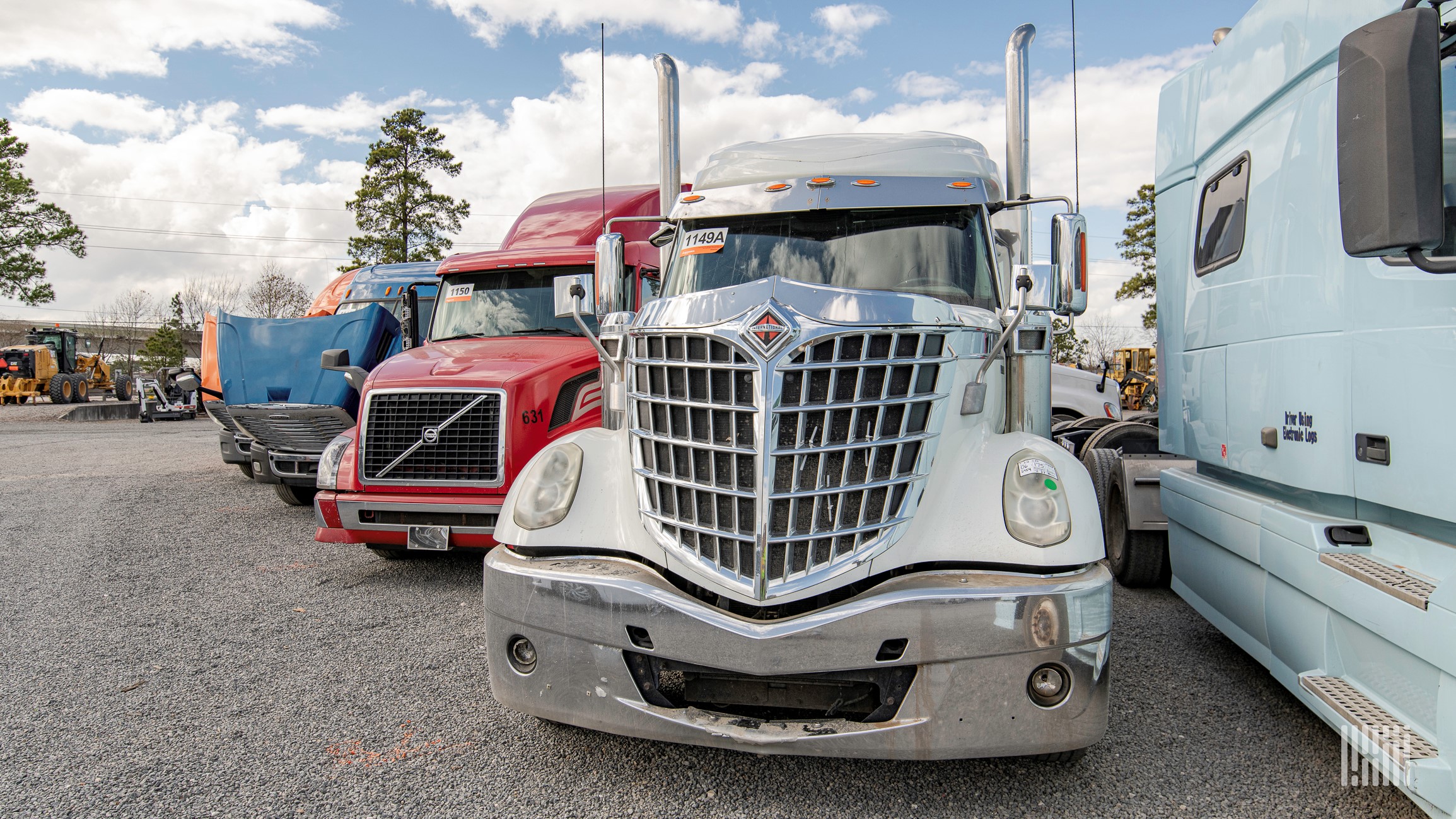
The semi-truck market offers a wide variety of options, each designed for specific purposes. Here's a breakdown of the most common types:
- Day Cabs: Ideal for short-haul routes and local deliveries, day cabs lack sleeper compartments and prioritize maneuverability.
- Sleeper Cabs: Designed for long-haul operations, sleeper cabs provide a comfortable sleeping area for drivers, allowing them to comply with hours-of-service regulations. Sleeper cabs come in various sizes, from small to large, depending on the driver's needs.
- Heavy-Duty Trucks: These trucks are built to handle the heaviest loads and the most demanding conditions. They typically have powerful engines, robust transmissions, and heavy-duty axles.
- Medium-Duty Trucks: Suitable for lighter loads and shorter distances, medium-duty trucks offer a balance of performance and fuel efficiency.
- Alternative Fuel Trucks: With increasing environmental concerns, alternative fuel trucks, such as those powered by natural gas, propane, or electricity, are gaining popularity. These trucks offer lower emissions and potentially lower operating costs, but they may also have higher upfront costs and limited refueling infrastructure.


Section 3: Finding New Semi-Trucks for Sale in California
Once you have a clear understanding of your needs and the types of trucks available, you can begin your search. Here are some effective strategies:
- Authorized Dealers: Contact authorized dealers for major truck manufacturers such as Peterbilt, Kenworth, Freightliner, Volvo, and International. Dealers offer a wide selection of new trucks, as well as financing options and after-sales service.
- Online Marketplaces: Explore online marketplaces such as TruckPaper.com, CommercialTruckTrader.com, and eBay Motors. These websites list a vast inventory of new and used semi-trucks from dealers and private sellers across California.
- Truck Shows and Events: Attend truck shows and industry events in California to see the latest models and meet with manufacturers and dealers.
- Networking: Connect with other trucking professionals and ask for recommendations. They may be able to provide valuable insights and leads.
Section 4: Negotiating the Best Deal
Negotiating the price of a new semi-truck can be challenging, but it's essential to get the best possible deal. Here are some tips:
- Do Your Research: Before you start negotiating, research the market value of the truck you're interested in. Use online resources and compare prices from different dealers.
- Get Multiple Quotes: Obtain quotes from several dealers to compare prices and terms.
- Be Prepared to Walk Away: Don't be afraid to walk away from a deal if you're not comfortable with the price or terms.
- Negotiate the Trade-In Value: If you're trading in an old truck, negotiate the trade-in value separately from the price of the new truck.
- Consider Financing Options: Explore different financing options, such as loans and leases, to find the best terms for your budget.
Section 5: Financing Options for New Semi-Trucks
Purchasing a new semi-truck is a significant investment, and most buyers require financing. Here are some common financing options:
- Truck Loans: Traditional truck loans are offered by banks, credit unions, and finance companies. They typically require a down payment and have a fixed interest rate.
- Truck Leases: Leasing allows you to use a truck for a fixed period of time in exchange for regular payments. At the end of the lease, you can either return the truck or purchase it.
- Manufacturer Financing: Many truck manufacturers offer their own financing programs, which may offer competitive rates and terms.
- SBA Loans: The Small Business Administration (SBA) offers loan programs that can be used to finance the purchase of a new semi-truck.
Section 6: Complying with California Regulations
California has strict regulations governing the trucking industry, including emission standards, safety requirements, and registration procedures. Here are some key regulations to be aware of:
- CARB Regulations: The California Air Resources Board (CARB) sets emission standards for heavy-duty trucks operating in California. Ensure that your new truck meets the current CARB regulations.
- California Vehicle Code: The California Vehicle Code outlines the rules of the road, including weight limits, speed limits, and safety requirements.
- Commercial Driver's License (CDL): Drivers operating semi-trucks in California must have a valid Commercial Driver's License (CDL).
- Registration and Permitting: You must register your new semi-truck with the California Department of Motor Vehicles (DMV) and obtain the necessary permits to operate legally.
Section 7: Maintenance and Service Considerations
Proper maintenance is crucial to keep your new semi-truck running smoothly and avoid costly repairs. Here are some important maintenance considerations:
- Regular Inspections: Conduct regular inspections of your truck to identify potential problems early on.
- Preventative Maintenance: Follow a preventative maintenance schedule to keep your truck in top condition.
- Qualified Mechanics: Use qualified mechanics who are experienced in working on semi-trucks.
- Warranty Coverage: Understand the warranty coverage on your new truck and take advantage of it if necessary.
Section 8: Benefits of Buying a New Semi-Truck
While the initial investment may be higher, buying a new semi-truck offers several advantages over purchasing a used one:
- Reliability: New trucks are typically more reliable than used trucks, reducing the risk of breakdowns and downtime.
- Fuel Efficiency: New trucks often have more fuel-efficient engines, saving you money on fuel costs.
- Technology: New trucks are equipped with the latest technology, such as advanced safety systems and GPS tracking.
- Warranty Coverage: New trucks come with a manufacturer's warranty, providing peace of mind and protection against unexpected repairs.
- Resale Value: New trucks typically have a higher resale value than used trucks.
Section 9: Potential Challenges and Solutions
Purchasing a new semi-truck can present several challenges:
- High Costs: The initial cost of a new semi-truck can be a significant barrier for some buyers. Solutions include exploring financing options, negotiating the price, and considering leasing.
- Complex Regulations: Navigating the complex regulations governing the trucking industry in California can be challenging. Solutions include seeking guidance from industry experts and consulting with regulatory agencies.
- Maintenance and Repairs: Maintaining a semi-truck can be expensive and time-consuming. Solutions include following a preventative maintenance schedule and using qualified mechanics.
Table of Price Information
| Truck Type | Average Price Range | Key Features | Ideal For |
|---|---|---|---|
| Day Cab | $80,000 - $120,000 | Short wheelbase, maneuverable, no sleeper compartment | Local deliveries, short-haul routes, construction sites |
| Sleeper Cab (Small) | $120,000 - $160,000 | Basic sleeper compartment, fuel-efficient engine | Regional trucking, smaller fleets, owner-operators |
| Sleeper Cab (Large) | $160,000 - $220,000+ | Spacious sleeper compartment, powerful engine, advanced features | Long-haul trucking, large fleets, team driving |
| Heavy-Duty Truck | $150,000 - $250,000+ | High GVWR, powerful engine, robust construction | Heavy hauling, oversized loads, construction materials |
| Alternative Fuel Truck | $180,000 - $300,000+ | Lower emissions, potential fuel cost savings, government incentives | Environmentally conscious fleets, urban deliveries, areas with alt-fuel infrastructure |
Conclusion: Your Path to a New Semi-Truck in California
Purchasing a new semi-truck in California is a significant investment that requires careful planning and research. By understanding your needs, exploring different types of trucks, securing financing, and complying with state regulations, you can make informed decisions and find the perfect vehicle for your business. Remember to prioritize reliability, fuel efficiency, and safety when making your choice. With the right approach, you can navigate the California semi-truck market with confidence and drive your business forward.
Frequently Asked Questions (FAQ)
Q: What is the best time of year to buy a new semi-truck?
A: The end of the year (November-December) is often a good time to buy, as dealers may be looking to clear out inventory to meet sales quotas.
Q: What is the typical down payment for a new semi-truck?
A: Down payments typically range from 10% to 20% of the purchase price, depending on your creditworthiness and the lender's requirements.
Q: How long is the typical loan term for a new semi-truck?
A: Loan terms typically range from 3 to 7 years.
Q: What is the best way to find a reliable mechanic for my new semi-truck?
A: Ask for recommendations from other trucking professionals, check online reviews, and look for mechanics who are certified by the National Institute for Automotive Service Excellence (ASE).
Q: What are the most important safety features to look for in a new semi-truck?
A: Key safety features include anti-lock braking systems (ABS), electronic stability control (ESC), lane departure warning systems, and collision mitigation systems.
Q: How often should I service my new semi-truck?
A: Follow the manufacturer's recommended maintenance schedule, which typically includes oil changes, filter replacements, and inspections every 25,000 to 50,000 miles.
Q: What are the key CARB regulations I need to be aware of when buying a new semi-truck in California?
A: Focus on meeting the latest emission standards, including those related to diesel particulate filters (DPFs) and nitrogen oxides (NOx) emissions. Consult with a CARB representative or industry expert for specific requirements.

