Electric Semi Trucks For Sale: A Comprehensive Guide to the Future of Hauling
Introduction: The Electric Revolution on the Road
The rumble of the open road, once synonymous with the roar of a diesel engine, is on the cusp of a significant transformation. Electric semi trucks, once a futuristic concept, are rapidly becoming a tangible reality, offering a cleaner, quieter, and potentially more economical alternative to traditional combustion engine vehicles. This comprehensive guide explores the burgeoning market of "Electric Semi Trucks For Sale," providing you with the information you need to understand the benefits, challenges, and considerations involved in transitioning to electric trucking. From understanding the different models available to navigating charging infrastructure and government incentives, this article aims to empower you with the knowledge to make informed decisions about electrifying your fleet. The future of hauling is electric, and this guide will help you navigate it.
Electric Semi Trucks For Sale: A Comprehensive Guide to the Future of Hauling
Section 1: Why Choose an Electric Semi Truck? Unveiling the Benefits
The shift to electric semi trucks is driven by a confluence of factors, primarily focused on cost savings and environmental responsibility. Here's a breakdown of the key benefits:
- Reduced Fuel Costs: Electricity is generally cheaper than diesel, leading to significant savings on fuel expenses over the lifespan of the truck. While initial purchase costs are higher, the total cost of ownership (TCO) can often be lower, especially for routes with consistent charging opportunities.
- Lower Maintenance Costs: Electric vehicles have fewer moving parts than diesel trucks, resulting in less frequent and less expensive maintenance. No more oil changes, fuel filters, or complex engine repairs.
- Environmental Friendliness: Electric trucks produce zero tailpipe emissions, contributing to cleaner air and a reduced carbon footprint. This aligns with increasing environmental regulations and corporate sustainability goals.
- Quieter Operation: Electric trucks are significantly quieter than diesel trucks, reducing noise pollution in urban areas and improving driver comfort.
- Government Incentives and Rebates: Governments worldwide are offering various incentives, rebates, and tax credits to encourage the adoption of electric vehicles, including semi trucks. These incentives can significantly reduce the upfront cost.
- Improved Driver Experience: Electric trucks often offer smoother acceleration, regenerative braking, and a more comfortable driving experience.

Section 2: Exploring the Market: Electric Semi Truck Models Available
While the electric semi truck market is still developing, several manufacturers are leading the charge with commercially available or soon-to-be-released models. Here are some of the key players and their offerings:
- Tesla Semi: One of the most anticipated electric semi trucks, the Tesla Semi promises impressive range, performance, and advanced driver-assistance features. Production has begun, and deliveries are ramping up. It boasts multiple motor configurations and range options.
- Volvo VNR Electric: Volvo's VNR Electric is a popular choice for regional hauling, offering a proven track record and reliable performance. It's designed for shorter routes and urban delivery applications.
- Freightliner eCascadia: Freightliner, a leading manufacturer of diesel trucks, is also committed to electric with the eCascadia. This truck is designed for regional distribution and drayage applications.
- Nikola Tre BEV: Nikola offers both battery-electric (BEV) and hydrogen fuel cell electric (FCEV) semi trucks. The Tre BEV is a battery-electric option focused on regional hauling.
- Peterbilt 579EV: Peterbilt's 579EV is an electric version of their popular Model 579, designed for regional and local applications.
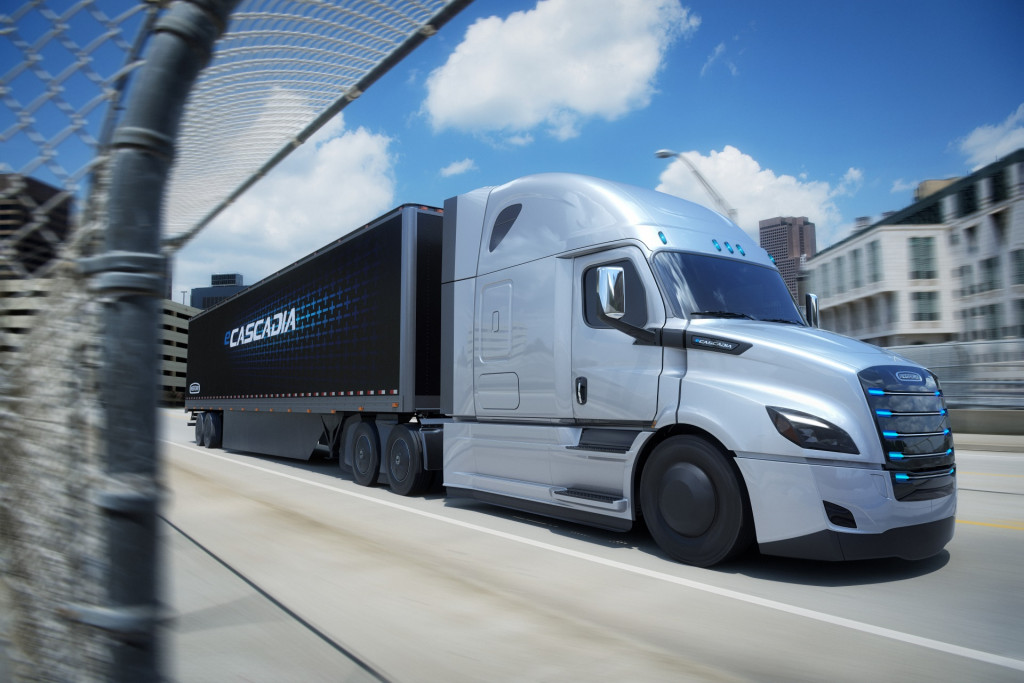

When evaluating these models, consider factors such as:
- Range: How far can the truck travel on a single charge?
- Payload Capacity: How much weight can the truck carry?
- Charging Time: How long does it take to fully charge the battery?
- Performance: What is the truck's acceleration, top speed, and hill-climbing ability?
- Price: What is the upfront cost of the truck?
- Availability: When is the truck available for purchase or lease?
- Warranty: What is the warranty coverage on the battery and other components?
Section 3: Charging Infrastructure: Powering Your Electric Fleet
One of the biggest challenges in adopting electric semi trucks is the availability of adequate charging infrastructure. Here's what you need to know:
- Charging Levels: Electric vehicles use different charging levels, each with varying speeds:
- Level 1 (120V): Slowest charging speed, typically used for overnight charging at home. Not practical for semi trucks.
- Level 2 (240V): Faster than Level 1, but still relatively slow for semi trucks. May be suitable for smaller electric vehicles.
- DC Fast Charging (DCFC): The fastest charging speed, capable of adding significant range in a relatively short time. Essential for electric semi trucks.
- Charging Locations: Charging infrastructure is expanding, but it's still less prevalent than traditional fueling stations. Options include:
- Depot Charging: Charging at your own depot or distribution center is the most common approach, allowing for overnight charging.
- Public Charging Stations: A growing network of public charging stations is becoming available along major trucking routes.
- Partnerships: Collaborating with other companies or organizations to share charging infrastructure can be a cost-effective solution.
- Charging Considerations:
- Power Capacity: Ensure your charging location has sufficient power capacity to support the charging of multiple electric trucks.
- Charging Management: Implement a charging management system to optimize charging schedules and minimize energy costs.
- Future-Proofing: Plan for future expansion of your electric fleet and ensure your charging infrastructure can accommodate the increased demand.
Section 4: Navigating the Purchase: Financing, Incentives, and Leasing
Purchasing an electric semi truck involves significant upfront investment. Here's how to navigate the financial aspects:
- Financing Options: Explore various financing options, including traditional loans, leases, and government-backed financing programs.
- Government Incentives: Research available federal, state, and local incentives, rebates, and tax credits for electric vehicles. These incentives can significantly reduce the purchase price. Examples include the Inflation Reduction Act (IRA) in the United States, which offers significant tax credits for commercial electric vehicles.
- Leasing: Leasing an electric semi truck can be a more affordable option than purchasing, allowing you to avoid the upfront capital investment and potentially benefit from lower maintenance costs.
- Total Cost of Ownership (TCO) Analysis: Conduct a thorough TCO analysis to compare the cost of owning and operating an electric semi truck versus a diesel truck. Consider factors such as fuel costs, maintenance costs, depreciation, and incentives.
Section 5: Overcoming Challenges: Range Anxiety, Charging Time, and Infrastructure
While electric semi trucks offer numerous benefits, they also present some challenges:
- Range Anxiety: The fear of running out of battery charge before reaching a charging station is a common concern. Careful route planning and optimizing driving habits can help mitigate range anxiety.
- Solution: Choose trucks with sufficient range for your routes, plan routes with charging stations, and monitor battery usage.
- Charging Time: Charging an electric semi truck can take longer than refueling a diesel truck.
- Solution: Utilize DC Fast Charging stations, optimize charging schedules, and consider battery swapping technology (if available).
- Infrastructure Availability: The lack of widespread charging infrastructure is a significant barrier to adoption.
- Solution: Advocate for increased investment in charging infrastructure, collaborate with other companies to share charging resources, and consider installing your own depot charging facilities.
- Battery Life and Replacement: Batteries degrade over time and will eventually need to be replaced, which can be a significant expense.
- Solution: Understand the battery warranty, monitor battery health, and factor in the cost of battery replacement into your TCO analysis.
Section 6: Tips for Successful Electric Semi Truck Adoption
- Start Small: Begin by electrifying a portion of your fleet and gradually expand as infrastructure improves and technology advances.
- Choose the Right Routes: Select routes that are well-suited for electric trucks, with shorter distances and readily available charging stations.
- Train Your Drivers: Educate your drivers on the operation and maintenance of electric trucks, as well as best practices for maximizing range and minimizing charging time.
- Monitor Performance: Track the performance of your electric trucks to identify areas for improvement and optimize efficiency.
- Stay Informed: Keep up-to-date on the latest developments in electric truck technology and charging infrastructure.
Table: Electric Semi Truck Comparison
| Feature | Tesla Semi (Estimated) | Volvo VNR Electric | Freightliner eCascadia | Nikola Tre BEV | Peterbilt 579EV |
|---|---|---|---|---|---|
| Range (Miles) | 300-500 | Up to 275 | Up to 230 | Up to 330 | Up to 150 |
| Battery Capacity (kWh) | 500-900 (Estimated) | 264 | 194 | 733 | 300 |
| Charging Time (DCFC) | ~30 mins (Target) | ~90 mins | ~90 mins | ~120 mins | ~2-4 hours |
| Payload Capacity (lbs) | 80,000 (GCWR) | Varies | Varies | Varies | Varies |
| Price (USD) | $180,000 - $200,000 (Est) | $300,000+ | $300,000+ | $350,000+ | $300,000+ |
| Availability | Production Started | Available | Available | Available | Available |
Note: Prices and specifications are estimates and may vary based on configuration and location.
Conclusion: Embracing the Electric Future of Hauling
The transition to electric semi trucks is a significant undertaking, but it's also an inevitable step towards a more sustainable and efficient future for the trucking industry. By understanding the benefits, challenges, and considerations involved, you can make informed decisions about electrifying your fleet and contributing to a cleaner, quieter, and more economical transportation system. While challenges remain, the momentum behind electric trucking is undeniable, and the future of hauling is undoubtedly electric. Embrace the change, and you'll be well-positioned to reap the rewards of this exciting technological revolution.
Frequently Asked Questions (FAQ)
Q: Are electric semi trucks really cheaper than diesel trucks?
A: While the upfront cost of an electric semi truck is higher, the total cost of ownership (TCO) can be lower due to reduced fuel and maintenance costs. Government incentives can also significantly reduce the initial investment.
Q: How long does it take to charge an electric semi truck?
A: Charging time depends on the charging level and battery capacity. DC Fast Charging (DCFC) can add significant range in a relatively short time, typically 1-2 hours.
Q: What is the range of an electric semi truck?
A: Range varies depending on the model, battery capacity, and driving conditions. Some electric semi trucks can travel up to 500 miles on a single charge.
Q: Where can I charge an electric semi truck?
A: Charging options include depot charging at your own facility, public charging stations, and partnerships with other companies.
Q: Are there government incentives for electric semi trucks?
A: Yes, governments worldwide are offering various incentives, rebates, and tax credits to encourage the adoption of electric vehicles, including semi trucks.
Q: What happens to the battery at the end of its life?
A: Electric vehicle batteries can be recycled or repurposed for other applications, such as energy storage.
Q: Are electric semi trucks as powerful as diesel trucks?
A: Electric motors provide instant torque, resulting in impressive acceleration and hill-climbing ability. Electric semi trucks are often as powerful, if not more so, than their diesel counterparts.
Q: What are the maintenance requirements for electric semi trucks?
A: Electric trucks have fewer moving parts than diesel trucks, resulting in less frequent and less expensive maintenance.
Q: Is the electric semi truck market mature enough for large-scale adoption?
A: The market is still developing, but it's rapidly growing. As technology improves and infrastructure expands, large-scale adoption is becoming increasingly feasible.
Q: How can I prepare my business for the transition to electric semi trucks?
A: Start by assessing your needs, researching available models, evaluating charging infrastructure options, and developing a comprehensive TCO analysis. Train your drivers and stay informed about the latest developments in electric truck technology.

