Semi Truck Generators For Sale: Powering Your Life on the Road
For long-haul truckers, life on the road demands more than just a powerful engine and comfortable cab. It requires a reliable source of power to keep essential appliances running, maintain a comfortable temperature, and provide the comforts of home while away from home. This is where semi-truck generators come in. This article serves as a comprehensive guide to semi-truck generators for sale, exploring their benefits, types, considerations, and everything else you need to know before making a purchase.
Why Invest in a Semi Truck Generator?
Semi Truck Generators For Sale: Powering Your Life on the Road
Semi-truck generators are essentially portable power plants designed to provide electricity to the various electrical components within a semi-truck's sleeper cab. They eliminate the need to idle the truck's main engine for power, offering significant advantages:
- Fuel Savings: Idling consumes a considerable amount of fuel. A generator can power appliances and climate control systems using significantly less fuel, leading to substantial cost savings over time.
- Reduced Engine Wear and Tear: Constant idling puts unnecessary stress on the engine, leading to increased wear and tear and potentially shortening its lifespan. Using a generator minimizes idling, preserving the engine's health.
- Compliance with Anti-Idling Laws: Many states and municipalities have strict anti-idling laws to reduce emissions and noise pollution. Generators provide a legal and environmentally friendly alternative to idling.
- Comfort and Convenience: Enjoy the comforts of home on the road, including air conditioning, heating, refrigeration, entertainment systems, and the ability to charge electronic devices without worrying about draining the truck's batteries or violating idling restrictions.
- Increased Resale Value: A well-maintained truck equipped with a generator can command a higher resale value compared to one without.

Understanding the Types of Semi Truck Generators
Semi-truck generators are available in various configurations, each with its own set of advantages and disadvantages. Understanding these differences is crucial for selecting the right generator for your needs.
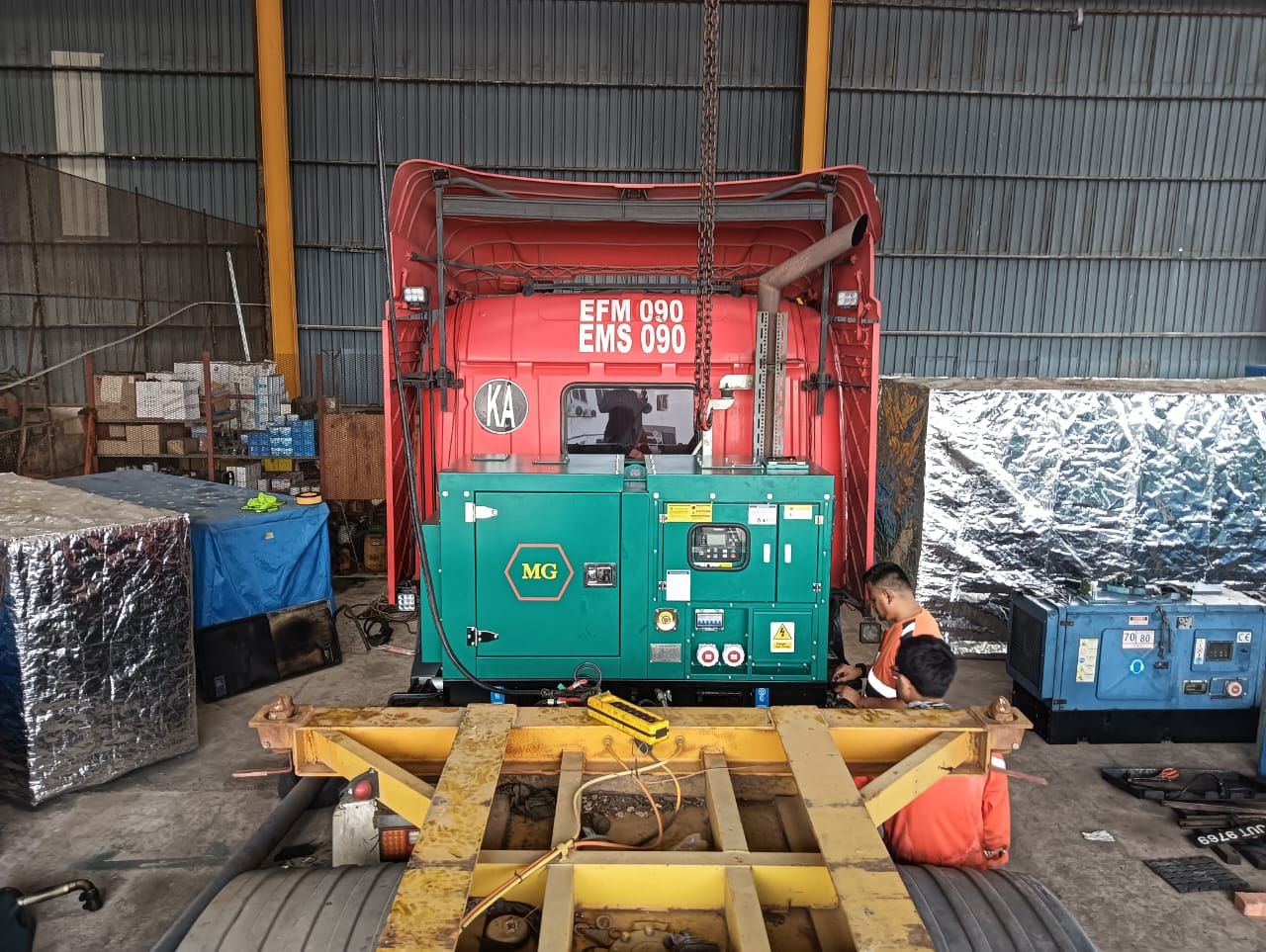
- Diesel Generators: These are the most common type of semi-truck generator. They are generally robust, reliable, and efficient, running on the same diesel fuel as the truck's engine.
- Pros: High power output, readily available fuel, long lifespan, relatively fuel-efficient.
- Cons: Can be noisy, require regular maintenance, emit exhaust fumes.
- Gasoline Generators: Less common than diesel generators in semi-truck applications, gasoline generators are typically smaller and less expensive.
- Pros: Lower initial cost, lighter weight, easier to start in cold weather.
- Cons: Lower power output, less fuel-efficient, require a separate fuel source, potential safety concerns with gasoline storage.

- Propane Generators: An alternative fuel option that offers cleaner emissions compared to gasoline and diesel.
- Pros: Cleaner burning, readily available propane refills, relatively quiet operation.
- Cons: Lower power output compared to diesel, requires propane tank storage.
- All-Electric Auxiliary Power Units (APUs): While not technically generators, electric APUs are becoming increasingly popular. They utilize the truck's batteries or a dedicated battery pack to power electrical systems. They often incorporate a small diesel generator to recharge the batteries.
- Pros: Silent operation (when running on batteries), zero emissions (when running on batteries), low maintenance.
- Cons: Limited run time on batteries alone, higher initial cost, rely on battery capacity.
Key Considerations When Choosing a Semi Truck Generator
Selecting the right generator requires careful consideration of your power needs, budget, and operating conditions. Here are some essential factors to keep in mind:
- Power Requirements (Wattage): Calculate the total wattage of all the appliances and devices you plan to run simultaneously. Choose a generator with a continuous wattage rating that exceeds this total. Don't forget to factor in surge wattage, which is the extra power required to start certain appliances like air conditioners and refrigerators.
- Fuel Type and Consumption: Consider the availability and cost of different fuel types. Diesel generators are generally the most fuel-efficient, while gasoline generators are the least.
- Noise Level: Generator noise can be a significant concern, especially when parked in truck stops or residential areas. Look for generators with noise reduction features.
- Size and Weight: Ensure the generator is compact and lightweight enough to be easily mounted and transported without exceeding the truck's weight limits.
- Installation and Maintenance: Factor in the cost of professional installation, as well as ongoing maintenance requirements. Diesel generators typically require more maintenance than gasoline or propane generators.
- Safety Features: Look for generators with safety features such as automatic shut-off in case of low oil levels or overheating.
- Warranty and Support: Choose a reputable brand that offers a comprehensive warranty and reliable customer support.
- Price: Set a budget and compare prices from different manufacturers and retailers. Remember that the cheapest option is not always the best value.
Where to Find Semi Truck Generators For Sale
Semi-truck generators are available from a variety of sources:
- Truck Dealerships: Many truck dealerships offer generators as an aftermarket accessory.
- Generator Manufacturers: Purchase directly from the manufacturer or through their authorized dealers.
- Online Retailers: Websites like Amazon, eBay, and specialized generator retailers offer a wide selection of generators.
- Truck Parts and Accessories Stores: Local truck parts and accessories stores often carry generators.
- Used Equipment Dealers: Consider purchasing a used generator to save money, but be sure to inspect it thoroughly and have it checked by a qualified technician.
Installation and Maintenance Tips
Proper installation and maintenance are crucial for ensuring the longevity and reliability of your semi-truck generator.
- Professional Installation: Unless you have extensive electrical and mechanical experience, it's best to have the generator professionally installed.
- Regular Oil Changes: Follow the manufacturer's recommendations for oil change intervals.
- Air Filter Maintenance: Clean or replace the air filter regularly to ensure proper airflow.
- Fuel Filter Maintenance: Replace the fuel filter periodically to prevent fuel contamination.
- Spark Plug Replacement (Gasoline/Propane): Replace spark plugs as needed to maintain optimal performance.
- Battery Maintenance: Keep the battery clean and properly charged.
- Regular Inspections: Inspect the generator regularly for any signs of damage or wear.
- Proper Storage: If you plan to store the generator for an extended period, drain the fuel and follow the manufacturer's storage instructions.
Potential Challenges and Solutions
- Noise Complaints: Use a generator enclosure or sound-dampening materials to reduce noise levels.
- Fuel Spills: Use a spill kit to clean up any fuel spills immediately.
- Generator Failure: Regular maintenance and prompt repairs can help prevent generator failures.
- Theft: Secure the generator with a locking mechanism to prevent theft.
- Installation Complications: Hire a qualified technician to ensure proper installation.
Price Table for Semi Truck Generators
| Generator Type | Power Output (Watts) | Approximate Price Range | Key Features |
|---|---|---|---|
| Diesel Generator | 5,000 - 12,000 | $3,500 - $8,000 | High power, fuel-efficient, durable |
| Gasoline Generator | 2,000 - 5,000 | $800 - $2,500 | Lower cost, lighter weight |
| Propane Generator | 3,000 - 7,000 | $1,500 - $4,000 | Cleaner burning, quieter operation |
| All-Electric APU | Varies | $5,000 - $12,000 | Silent operation (battery mode), zero emissions |
Note: Prices are approximate and may vary depending on brand, features, and retailer.
Frequently Asked Questions (FAQ)
-
Q: How much fuel does a semi-truck generator consume?
- A: Fuel consumption varies depending on the generator type, load, and operating conditions. Diesel generators typically consume between 0.5 and 1 gallon per hour.
-
Q: Can I run my generator while driving?
- A: It is generally not recommended to run a generator while driving, as it can be a safety hazard.
-
Q: What is the lifespan of a semi-truck generator?
- A: The lifespan of a generator depends on the type, quality, and maintenance. Diesel generators can last for thousands of hours with proper care.
-
Q: Do I need a special permit to operate a semi-truck generator?
- A: Regulations vary by location. Check with your local authorities to determine if any permits are required.
-
Q: How do I choose the right size generator for my truck?
- A: Calculate your total power needs and choose a generator with a continuous wattage rating that exceeds this total.
Conclusion
Investing in a semi-truck generator is a significant decision that can offer numerous benefits, including fuel savings, reduced engine wear, and increased comfort and convenience. By carefully considering your power needs, budget, and operating conditions, you can choose the right generator to power your life on the road. Remember to prioritize safety, proper installation, and regular maintenance to ensure the longevity and reliability of your investment. With the right generator, you can enjoy the comforts of home while maximizing your efficiency and minimizing your operating costs.

