Semi Truck Tarps For Sale: A Comprehensive Guide to Protecting Your Haul
Every semi-truck driver knows the importance of securing and protecting their cargo. From delicate machinery to raw materials, the goods transported on these massive vehicles are the lifeblood of our economy. And while a well-maintained truck is crucial, a high-quality tarp is the unsung hero that safeguards that cargo from the elements, theft, and damage. This article serves as a comprehensive guide to understanding "Semi Truck Tarps For Sale," covering everything you need to know to make an informed decision and protect your valuable haul.
Introduction: The Essential Role of Semi Truck Tarps
Semi Truck Tarps For Sale: A Comprehensive Guide to Protecting Your Haul
Semi truck tarps are durable, protective coverings designed to secure and shield cargo transported on flatbed trucks. They are essential for safeguarding goods from rain, snow, wind, sun, and other environmental hazards that can cause damage, spoilage, or even loss of load. Beyond weather protection, tarps also deter theft and provide a professional appearance, reflecting positively on the driver and the company they represent. Choosing the right tarp is a critical decision, influencing the safety, security, and overall efficiency of your hauling operations.
Section 1: Understanding the Different Types of Semi Truck Tarps
The market offers a wide variety of semi truck tarps, each designed for specific purposes and cargo types. Understanding these differences is crucial for selecting the right tarp for your needs.
-
Lumber Tarps: Designed specifically for securing lumber loads, these tarps often feature flaps or side curtains for easier handling and a snug fit. They are typically heavier duty and more abrasion-resistant than general-purpose tarps.
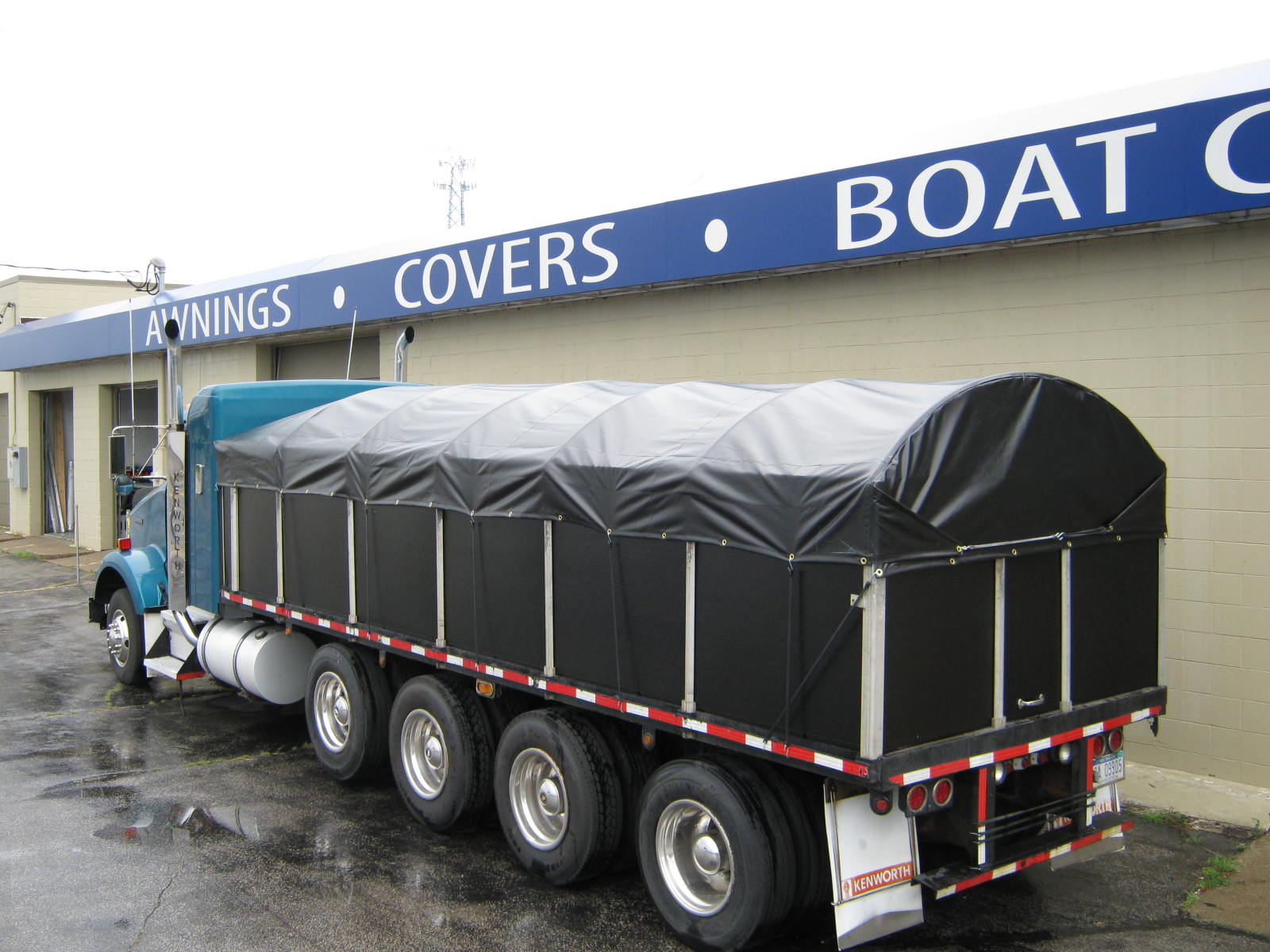
Steel Tarps: Constructed from extremely durable materials, steel tarps are built to withstand the sharp edges and heavy weight of steel coils, pipes, and other metal products. They often feature reinforced edges and extra-strength grommets.
-
Machinery Tarps: These tarps are designed to protect machinery and equipment from the elements. They are typically waterproof and offer excellent UV protection. They often come in various sizes and shapes to accommodate different types of machinery.
-
Coil Tarps: Similar to steel tarps, coil tarps are specifically shaped to fit snugly over coiled materials, providing optimal protection against the elements and movement during transit.
-
Smoke Tarps: Smaller and more versatile than other types, smoke tarps are used to cover portions of a load, such as machinery engines or areas prone to emitting smoke. They are typically lighter weight and easier to handle.
-
Mesh Tarps: These tarps are made from a woven mesh material that allows airflow while still providing some protection from debris and sunlight. They are ideal for hauling materials that need to breathe, such as landscaping supplies or produce.
-
Vinyl Tarps: Known for their exceptional waterproof capabilities and durability, vinyl tarps are a popular choice for protecting a wide range of cargo. They are resistant to tears, abrasions, and UV damage.
-
Canvas Tarps: While less common than vinyl, canvas tarps offer breathability and are often used for hauling materials that need to stay dry but also require ventilation. They are typically treated to be water-resistant but not entirely waterproof.

Section 2: Materials Matter: Choosing the Right Tarp Material
The material of a semi truck tarp significantly impacts its durability, weight, water resistance, and overall performance. Here's a breakdown of common tarp materials:
-
Vinyl: A popular choice for its durability, water resistance, and resistance to abrasions and tears. Vinyl tarps are available in various thicknesses, measured in ounces per square yard. Heavier vinyl tarps offer greater strength and longevity.
-
Polyethylene (Poly): A lightweight and cost-effective option. Poly tarps are water-resistant but less durable than vinyl. They are prone to tearing and may not withstand harsh weather conditions for extended periods.
-
Canvas: Offers breathability and water resistance. Canvas tarps are typically treated to enhance their water-repellent properties. They are a good option for hauling materials that need ventilation but are less durable than vinyl.
-
Mesh: Made from woven materials, mesh tarps allow airflow while providing some protection from debris and sunlight.
Section 3: Key Features to Consider When Buying Semi Truck Tarps
Beyond the type and material, several key features should be considered when selecting a semi truck tarp:
-
Size: Accurate measurements of your typical cargo loads are essential for choosing the right tarp size. Ensure the tarp provides adequate coverage and allows for proper securing.
-
Weight: Consider the weight of the tarp, especially if you frequently handle it alone. Lighter tarps are easier to manage but may be less durable.
-
Grommets: High-quality grommets are crucial for securing the tarp to the truck. Look for grommets made from durable materials like brass or stainless steel and ensure they are securely attached.
-
Reinforced Edges: Reinforced edges add strength and prevent tearing, especially in high-stress areas.
-
Water Resistance/Waterproof: Determine the level of water protection required based on the type of cargo you haul and the weather conditions you typically encounter.
-
UV Resistance: Prolonged exposure to sunlight can damage tarp materials. Look for tarps with UV inhibitors to extend their lifespan.
-
Cold Crack Resistance: In cold climates, tarps can become brittle and crack. Choose tarps with cold crack resistance to prevent damage in freezing temperatures.
Section 4: Properly Securing Your Tarp: Best Practices
A high-quality tarp is only effective if it's properly secured. Here are some best practices for securing your semi truck tarp:
-
Use Appropriate Straps and Tie-Downs: Choose straps and tie-downs that are rated for the weight and size of your load.
-
Secure the Tarp Tightly: Ensure the tarp is pulled taut to prevent flapping and minimize wind resistance.
-
Use a Tarp Repair Kit: Carry a tarp repair kit for quick fixes to small tears or punctures.
-
Inspect Regularly: Regularly inspect your tarp for signs of wear and tear and address any issues promptly.
-
Consider Using Edge Protectors: Protect the tarp from sharp edges by using edge protectors where necessary.
Section 5: Where to Buy Semi Truck Tarps: Options and Considerations
You have several options when purchasing semi truck tarps:
-
Online Retailers: Offer a wide selection of tarps at competitive prices. Be sure to read reviews and compare specifications before making a purchase.
-
Truck Stops: Convenient for on-the-road purchases, but selection and prices may be limited.
-
Tarp Manufacturers: Buying directly from the manufacturer can offer the best prices and customization options.
-
Local Trucking Supply Stores: Offer personalized service and the opportunity to inspect the tarp before buying.
Section 6: Extending the Life of Your Semi Truck Tarp
Proper care and maintenance can significantly extend the life of your semi truck tarp:
-
Clean Regularly: Remove dirt, debris, and moisture regularly to prevent mold and mildew growth.
-
Store Properly: When not in use, store your tarp in a dry, cool place away from direct sunlight.
-
Repair Tears Promptly: Repair small tears or punctures immediately to prevent them from becoming larger.
-
Avoid Dragging: Avoid dragging the tarp across rough surfaces, as this can cause abrasions and tears.
Section 7: Potential Challenges and Solutions
-
Challenge: Tarp tears due to sharp edges on cargo.
- Solution: Use edge protectors to cushion the tarp from sharp edges.
-
Challenge: Tarp damage from extreme weather conditions.
- Solution: Choose a tarp material that is specifically designed for the weather conditions you typically encounter.
-
Challenge: Difficulty securing the tarp in windy conditions.
- Solution: Use extra tie-downs and secure the tarp tightly. Consider using a tarp that is slightly larger than the load to provide extra coverage.
Table Price: Semi Truck Tarps For Sale (Example)
| Tarp Type | Material | Size (ft) | Weight (lbs) | Price (USD) | Features |
|---|---|---|---|---|---|
| Lumber Tarp | Vinyl | 24 x 27 | 45 | $350 | Flaps, Reinforced Edges, Heavy Duty |
| Steel Tarp | Vinyl | 20 x 24 | 50 | $400 | Reinforced Corners, Extra-Strength Grommets |
| Machinery Tarp | Vinyl | 12 x 16 | 25 | $250 | Waterproof, UV Resistant |
| Coil Tarp | Vinyl | 18 x 21 | 40 | $380 | Fitted Shape, Reinforced Straps |
| Mesh Tarp | Mesh | 16 x 20 | 15 | $150 | Breathable, Lightweight |
| Poly Tarp | Poly | 20 x 30 | 20 | $100 | Water-Resistant, Economical |
| Heavy Duty Canvas Tarp | Canvas | 12 x 16 | 30 | $300 | Breathable, Water Repellent, Reinforced Edges |
Conclusion: Investing in Quality Protection
Choosing the right semi truck tarp is an investment in the safety, security, and longevity of your cargo. By understanding the different types of tarps, materials, and features available, and by following proper securing and maintenance practices, you can protect your valuable haul and ensure its safe arrival. Don't underestimate the importance of this essential piece of equipment – a quality tarp can save you time, money, and headaches in the long run.
Frequently Asked Questions (FAQ)
-
Q: How do I determine the correct size tarp for my load?
- A: Measure the length, width, and height of your load and add extra for overlap and securing.
-
Q: What is the difference between water-resistant and waterproof tarps?
- A: Water-resistant tarps can repel water for a limited time, while waterproof tarps are completely impervious to water.
-
Q: How often should I replace my semi truck tarp?
- A: The lifespan of a tarp depends on the material, usage, and maintenance. Inspect your tarp regularly and replace it when you notice significant wear and tear.
-
Q: Can I repair a torn tarp?
- A: Yes, small tears can be repaired with a tarp repair kit. Larger tears may require professional repair or replacement.
-
Q: What is the best way to clean my semi truck tarp?
- A: Use mild soap and water and a soft brush to clean your tarp. Avoid using harsh chemicals or abrasive cleaners.
-
Q: Are there any regulations regarding tarp usage?
- A: Regulations vary by state and jurisdiction. Consult with your local transportation authority for specific requirements.
This comprehensive guide provides valuable information for anyone looking to buy semi truck tarps. Remember to carefully consider your specific needs and choose a tarp that offers the best protection and durability for your cargo.

