Semi Truck Tires 24.5 For Sale: A Comprehensive Guide for Truckers and Fleet Managers
Introduction: The Backbone of Hauling - Understanding 24.5 Semi Truck Tires
In the demanding world of commercial trucking, where long hauls and heavy loads are the norm, the tires on your semi-truck are more than just rubber meeting the road. They are a critical component of safety, efficiency, and profitability. Among the various tire sizes available, the 24.5-inch semi-truck tire stands out as a popular and versatile option. Finding the right "Semi Truck Tires 24.5 For Sale" can feel like navigating a maze of brands, tread patterns, and price points. This comprehensive guide aims to demystify the process, providing you with the knowledge and insights needed to make informed decisions that optimize your truck's performance and your bottom line. We'll delve into the specifics of 24.5 tires, explore the factors influencing your buying choices, and offer practical advice on selecting the best options available on the market.
Semi Truck Tires 24.5 For Sale: A Comprehensive Guide for Truckers and Fleet Managers
Section 1: Decoding the 24.5 Tire: Size, Specifications, and Significance
The designation "24.5" refers to the rim diameter in inches that the tire is designed to fit. However, understanding the complete tire size designation is crucial. A typical full designation might look like this: 11R24.5, 295/75R24.5, or 285/75R24.5. Let's break it down:
- Width: The first number (e.g., 11, 295, 285) indicates the tire's section width in inches or millimeters.
- Aspect Ratio: The second number (e.g., R75) is the aspect ratio, representing the height of the tire's sidewall as a percentage of its width. A lower aspect ratio generally improves handling and stability.
- Construction: The "R" indicates radial construction, which is the standard for most modern truck tires. Radial tires offer better fuel efficiency, longer tread life, and improved ride comfort compared to bias-ply tires.
- Rim Diameter: The final number (24.5) is the rim diameter, as mentioned earlier.

Significance of 24.5 Tires:
- Load Capacity: 24.5 tires are designed to handle substantial loads, making them suitable for heavy-duty trucking applications.
- Stability: The lower aspect ratio (in some cases) contributes to improved stability, especially during cornering and braking.
- Availability: 24.5 tires are widely available from various manufacturers and retailers, offering a broad range of options.
- Versatility: They are commonly used on various types of trucks, including tractor-trailers, dump trucks, and tanker trucks.
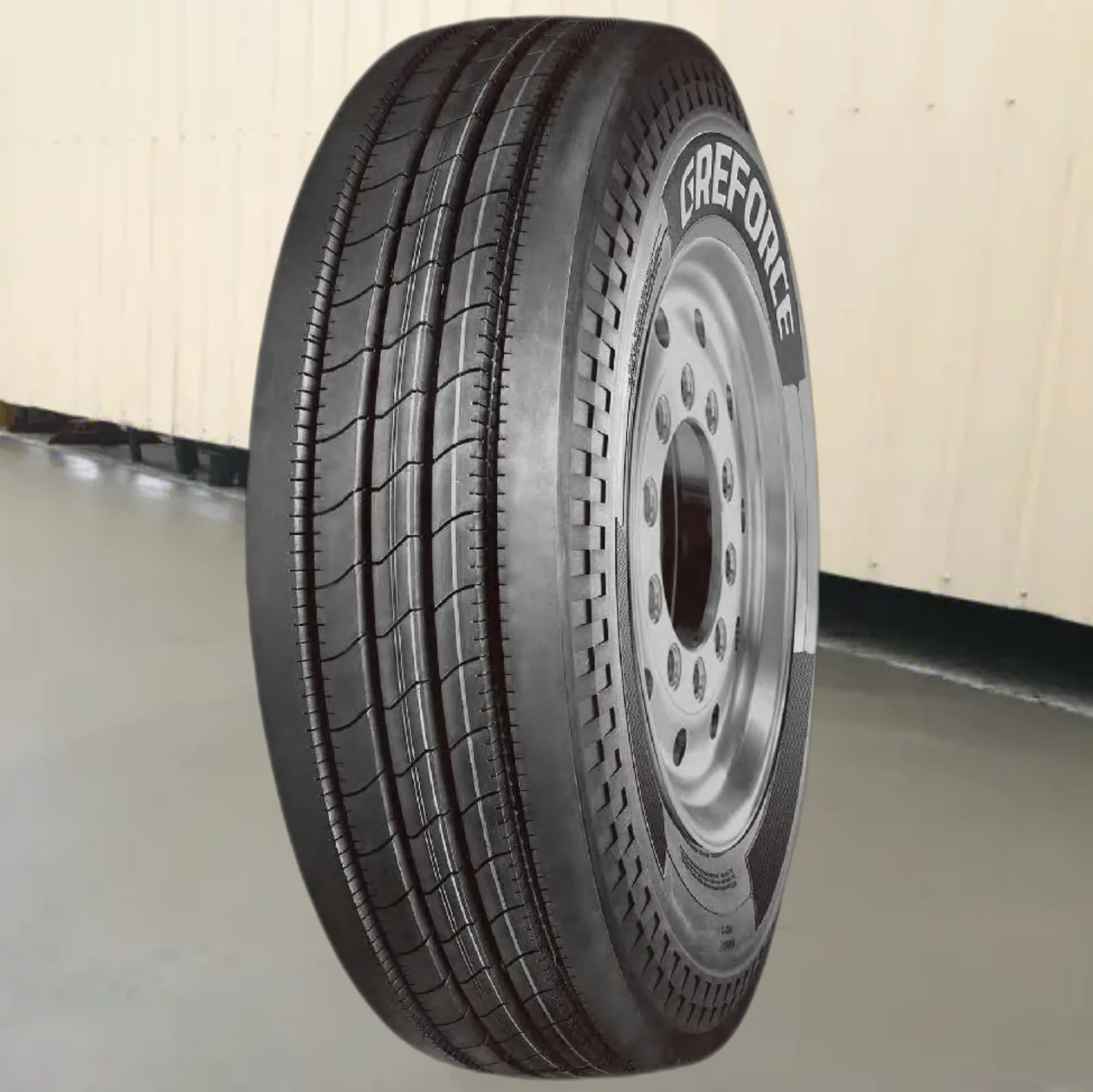
Section 2: Key Considerations When Buying 24.5 Semi Truck Tires
Before you start searching for "Semi Truck Tires 24.5 For Sale," consider these crucial factors:
-
Application:
- Long Haul: Opt for tires with low rolling resistance for improved fuel efficiency and a smooth ride. Steer tires should prioritize handling and stability. Drive tires need excellent traction and wear resistance.
- Regional Haul: Consider tires that balance fuel efficiency, durability, and traction. All-position tires can be a cost-effective option for regional routes.
- On/Off-Road: Choose tires with aggressive tread patterns and reinforced sidewalls for superior traction and puncture resistance on unpaved surfaces.
- Winter Conditions: Select tires with a dedicated winter tread pattern and the "mountain/snowflake" symbol for optimal performance in snow and ice.
-
Tread Pattern:
- Rib Tread: Excellent for steer axles, providing precise handling and low rolling resistance.
- Lug Tread: Ideal for drive axles, offering superior traction in various conditions.
- Combination Tread: A versatile option that balances handling and traction, suitable for all positions.
-
Load Range and Ply Rating:
- The load range (e.g., H, L, M) indicates the tire's maximum load-carrying capacity. Choose a load range that meets or exceeds the maximum weight of your truck and cargo.
- The ply rating indicates the tire's strength and durability. A higher ply rating generally translates to a more robust tire.
-
Tire Compound:
- The rubber compound affects the tire's wear resistance, rolling resistance, and traction. Consider the specific conditions you typically encounter when selecting a tire compound.
-
Brand Reputation and Warranty:
- Choose reputable brands known for producing high-quality, reliable tires.
- Check the warranty terms and conditions to ensure you are covered in case of defects or premature wear.
-
Price:
- While price is a factor, prioritize quality and performance over the cheapest option. Consider the long-term cost savings associated with fuel efficiency, tread life, and reduced downtime.
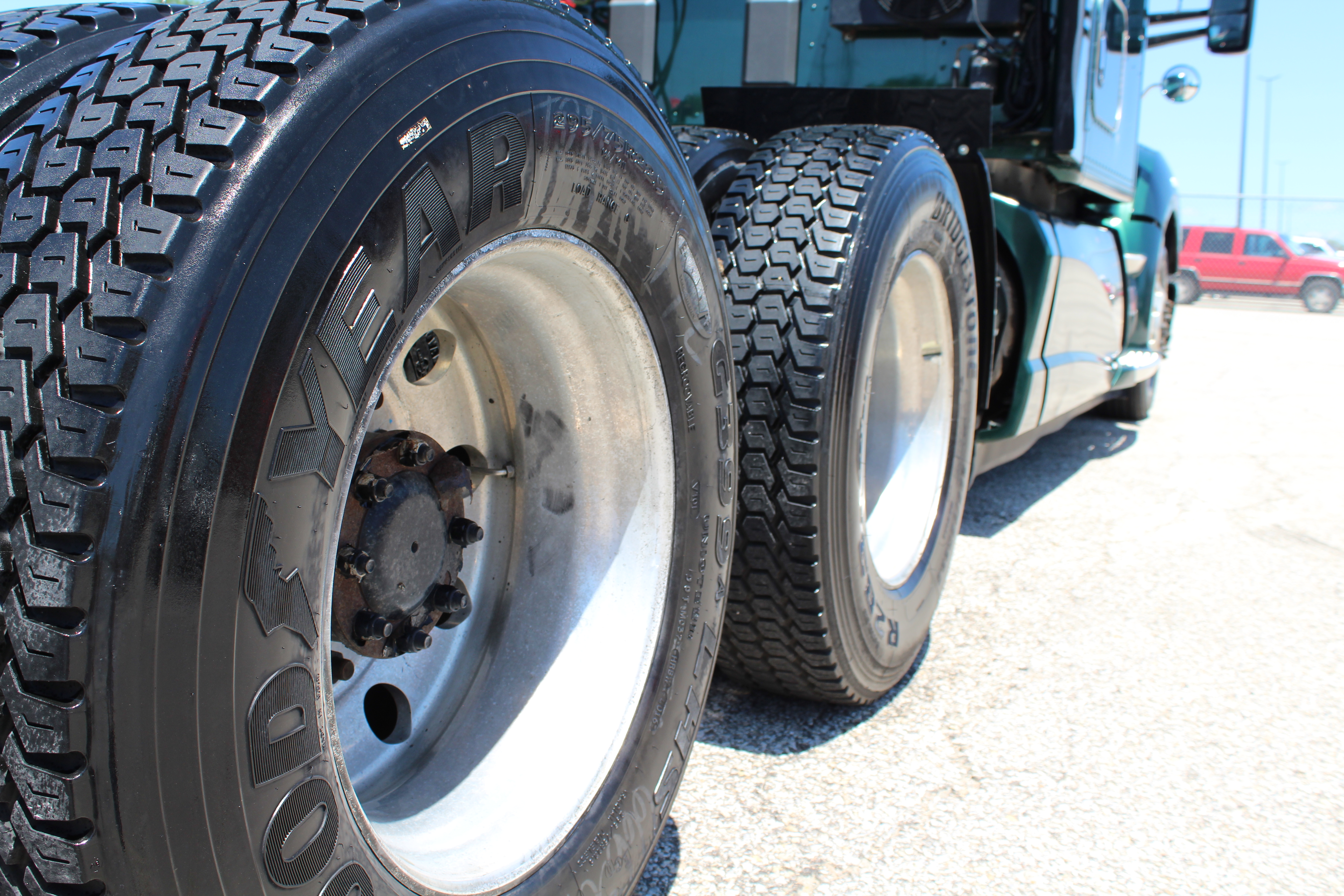
Section 3: Types of 24.5 Semi Truck Tires
- 5 semi-truck tires are available in different types to cater to specific needs and applications. Here's a breakdown:
- Steer Tires: Designed for the front axle, these tires prioritize handling, stability, and steering response. They typically feature a rib tread pattern.
- Drive Tires: Designed for the rear axles, these tires focus on providing maximum traction for acceleration and braking. They often have a lug or aggressive tread pattern.
- Trailer Tires: These tires are designed for use on trailers and prioritize low rolling resistance and even wear.
- All-Position Tires: Versatile tires that can be used on any axle position. They offer a balance of handling, traction, and wear resistance. These are a good option for fleets looking to simplify inventory.
- Wide Base Tires: These are single, wider tires that replace dual tires on the drive or trailer axles. They offer potential benefits in terms of weight savings and fuel efficiency but require compatible rims.
- Retread Tires: Retreading is a process where a worn tire casing is given a new tread. Retreads are a cost-effective alternative to new tires, provided the casing is in good condition.
Section 4: Finding the Best Deals on 24.5 Semi Truck Tires For Sale
Once you've determined the type and specifications of tires you need, it's time to find the best deals. Here are some strategies:
- Shop Around: Compare prices from multiple tire retailers, both online and offline.
- Consider Online Retailers: Online retailers often offer competitive prices and a wide selection of tires.
- Check with Local Tire Dealers: Local dealers can provide personalized service and expert advice.
- Look for Sales and Promotions: Tire retailers frequently offer sales and promotions, especially during seasonal changes.
- Negotiate: Don't be afraid to negotiate the price, especially if you are buying multiple tires.
- Consider Used Tires: Used tires can be a budget-friendly option, but carefully inspect them for damage and wear before purchasing. Ensure they meet all safety standards.
- Explore Retread Options: Retread tires offer a cost-effective solution if your tire casings are in good condition.
- Check with Fleet Programs: If you operate a fleet, consider joining a tire program offered by major tire manufacturers or retailers. These programs often provide discounted pricing and other benefits.
Section 5: Maintaining Your 24.5 Semi Truck Tires for Longevity
Proper tire maintenance is essential for maximizing tread life, fuel efficiency, and safety. Here are some key maintenance practices:
- Maintain Proper Inflation Pressure: Check and adjust tire pressure regularly using a calibrated tire gauge. Follow the manufacturer's recommended inflation pressure for your tire size and load.
- Regularly Inspect Tires: Inspect tires for cuts, bulges, uneven wear, and other damage.
- Rotate Tires: Rotate tires according to the manufacturer's recommendations to promote even wear.
- Balance Tires: Balance tires to prevent vibration and uneven wear.
- Check Wheel Alignment: Ensure proper wheel alignment to prevent premature tire wear.
- Avoid Overloading: Never exceed the tire's maximum load capacity.
- Proper Storage: When storing tires, keep them in a cool, dry place away from direct sunlight and chemicals.
Section 6: Potential Challenges and Solutions
- Finding the Right Tire for Your Specific Needs: Solution: Consult with a tire expert or use online tire selector tools to narrow down your options.
- Dealing with Tire Failures: Solution: Implement a regular tire inspection program and promptly address any issues. Consider investing in tire pressure monitoring systems (TPMS) to detect problems early.
- Managing Tire Costs: Solution: Implement a comprehensive tire management program that includes proper maintenance, tire rotation, and retreading.
- Ensuring Compliance with Regulations: Solution: Stay up-to-date on tire regulations and ensure your tires meet all safety standards.
Table: 24.5 Semi Truck Tire Price Comparison (Sample)
| Tire Brand | Tire Model | Tire Size | Tread Type | Load Range | Price (USD) | Key Features |
|---|---|---|---|---|---|---|
| Michelin | X Multi Energy Z | 11R24.5 | Rib | H | $550 | Low rolling resistance, long tread life |
| Bridgestone | R284 Ecopia | 295/75R24.5 | Rib | G | $520 | Fuel-efficient, durable, good wet traction |
| Goodyear | Endurance RSA | 11R24.5 | Rib | H | $500 | All-position, long-lasting, reliable |
| Continental | Conti Hybrid HS3 | 285/75R24.5 | Rib | G | $480 | Regional haul, fuel-efficient, good handling |
| Hankook | AH31 | 11R24.5 | Rib | H | $450 | Value-priced, good all-around performance |
| Double Coin | RR905 | 295/75R24.5 | Lug | H | $380 | Economical, good traction, durable casing |
| Yokohama | TY517 | 11R24.5 | Lug | H | $460 | Deep tread, good for on/off road applications |
| Sumitomo | ST719 | 285/75R24.5 | Lug | G | $420 | All position, good for regional applications |
| BFGoodrich | Route Control S | 11R24.5 | Rib | H | $490 | High durability, cut and chip resistance |
| Kelly Tires | Armorsteel KRH2 | 295/75R24.5 | Rib | G | $430 | Long-lasting, all-position, reliable |
Disclaimer: Prices are approximate and may vary based on retailer, location, and availability.
Frequently Asked Questions (FAQ)
-
Q: How often should I replace my 24.5 semi-truck tires?
- A: Tire replacement frequency depends on factors such as mileage, load, driving conditions, and maintenance practices. Generally, tires should be replaced when the tread depth reaches the legal limit (4/32" for steer tires, 2/32" for other tires) or when significant damage is present.
-
Q: What is the correct inflation pressure for my 24.5 tires?
- A: The recommended inflation pressure is typically found on the tire sidewall and in your truck's owner's manual. Always use a calibrated tire gauge to check and adjust pressure regularly.
-
Q: Can I mix different tire brands or tread patterns on my truck?
- A: It's generally not recommended to mix different tire brands or tread patterns on the same axle. Doing so can affect handling and stability.
-
Q: Are retread tires safe for semi-trucks?
- A: Yes, retread tires are safe when properly manufactured and inspected. Choose reputable retreaders and ensure the tire casings are in good condition.
-
Q: What is rolling resistance, and why is it important?
- A: Rolling resistance is the force required to keep a tire rolling. Lower rolling resistance translates to improved fuel efficiency.
-
Q: How do I read the DOT code on my tires?
- A: The DOT code is a series of numbers and letters on the tire sidewall that identifies the manufacturer, plant, tire size, and date of manufacture. The last four digits indicate the week and year the tire was manufactured (e.g., 1223 means the tire was manufactured in the 12th week of 2023).
-
Q: Where can I find "Semi Truck Tires 24.5 For Sale" near me?
- A: Check with local tire dealers, truck stops, and online tire retailers. Use online search engines to find dealers in your area.
Conclusion: Rolling Towards Success with the Right Tires
Selecting the right "Semi Truck Tires 24.5 For Sale" is a critical investment in your trucking operation. By understanding the factors discussed in this guide, you can make informed decisions that optimize your truck's performance, enhance safety, and improve your bottom line. Remember to prioritize quality, performance, and proper maintenance to ensure your tires serve you well mile after mile. The road to success in the trucking industry is paved with smart choices, and choosing the right tires is undoubtedly one of the most important.

