Semi Truck GPS for Sale: A Comprehensive Guide for Truckers
Navigating the open road as a semi-truck driver demands more than just skill and experience. It requires reliable tools that can handle the unique challenges of hauling freight across vast distances. One of the most crucial tools in a trucker's arsenal is a GPS navigation system specifically designed for semi-trucks. These aren't your standard car GPS; they are sophisticated devices programmed to consider truck-specific restrictions, load details, and driver needs. This article serves as a comprehensive guide to understanding, selecting, and purchasing the right semi-truck GPS for sale.
Introduction: The Importance of a Truck-Specific GPS
Semi Truck GPS for Sale: A Comprehensive Guide for Truckers
A semi-truck GPS is a navigation device tailored for the specific requirements of commercial trucking. Unlike standard GPS units, these devices take into account crucial factors like:
- Truck Dimensions: Height, width, length, and weight restrictions are critical for avoiding low bridges, narrow roads, and weight-restricted areas.
- Load Type: Hazardous materials (HAZMAT) restrictions can dictate permitted routes.
- Commercial Vehicle Restrictions: Many roads and bridges prohibit commercial vehicles altogether.
- Hours of Service (HOS) Compliance: Some GPS units integrate with Electronic Logging Devices (ELDs) to help drivers track their hours and comply with regulations.
- Truck Stops and Service Locations: Locating truck stops, weigh stations, rest areas, and repair shops is essential for long-haul drivers.
- Traffic and Weather Alerts: Real-time updates can help drivers avoid delays and hazardous conditions.
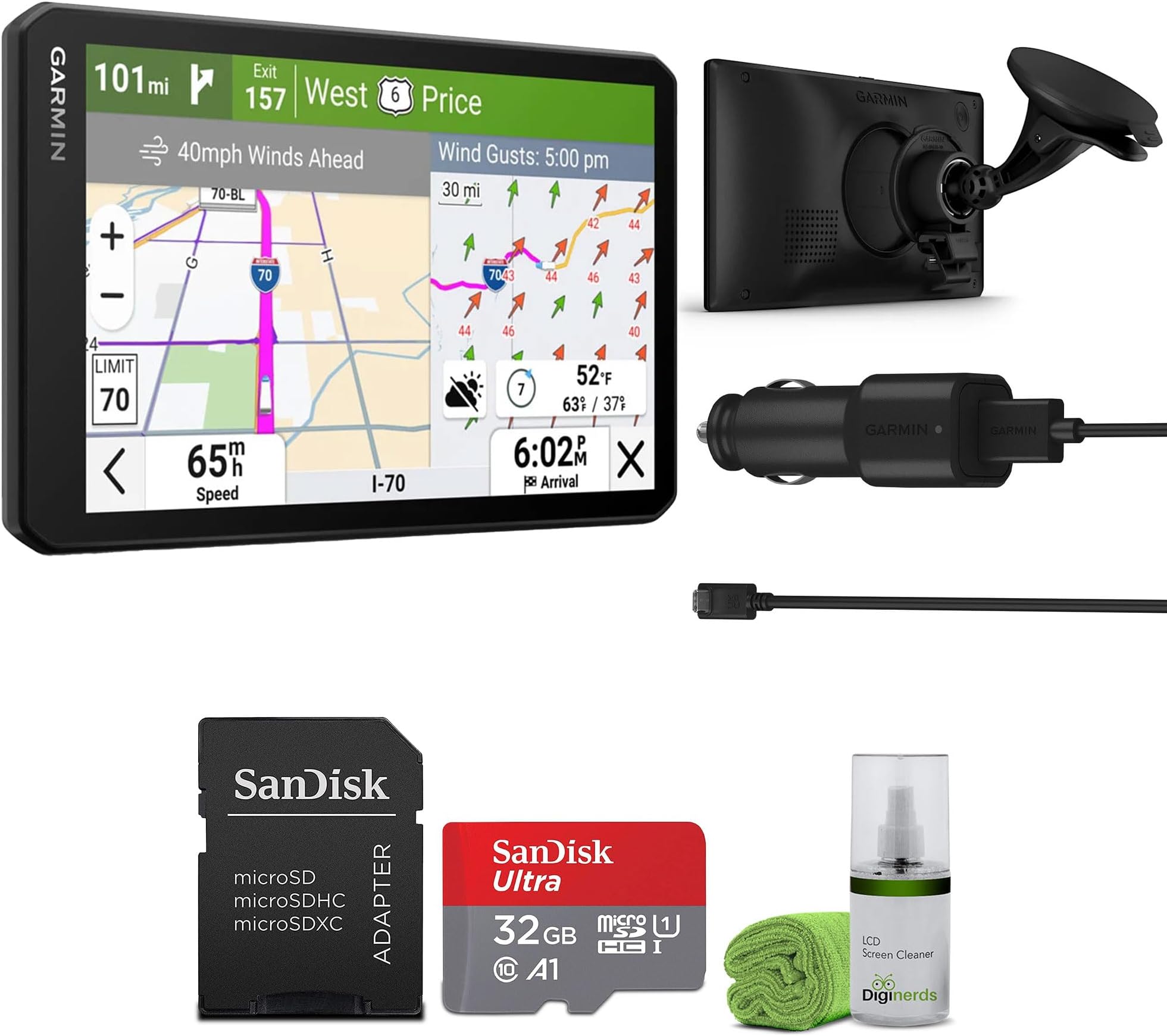
Using a standard GPS in a semi-truck can lead to costly mistakes, including fines, damage to the truck, and even accidents. Investing in a truck-specific GPS is an investment in safety, efficiency, and compliance.
Section 1: Benefits of Using a Semi-Truck GPS
Beyond simply providing directions, a semi-truck GPS offers a multitude of benefits:
- Safety: Avoiding restricted routes and hazardous conditions minimizes the risk of accidents. The ability to adjust routes based on weather and traffic provides an extra layer of safety.
- Efficiency: Optimized routes save time and fuel, leading to increased profitability. Finding the most direct and truck-friendly path reduces unnecessary detours.
- Compliance: HOS integration helps drivers adhere to federal regulations, avoiding costly fines and penalties.
- Reduced Stress: Knowing the route is safe and legal allows drivers to focus on the road, reducing stress and fatigue. Pre-planned routes also allow for better time management.
- Improved Communication: Some GPS units offer communication features that allow drivers to stay in touch with dispatchers and family.
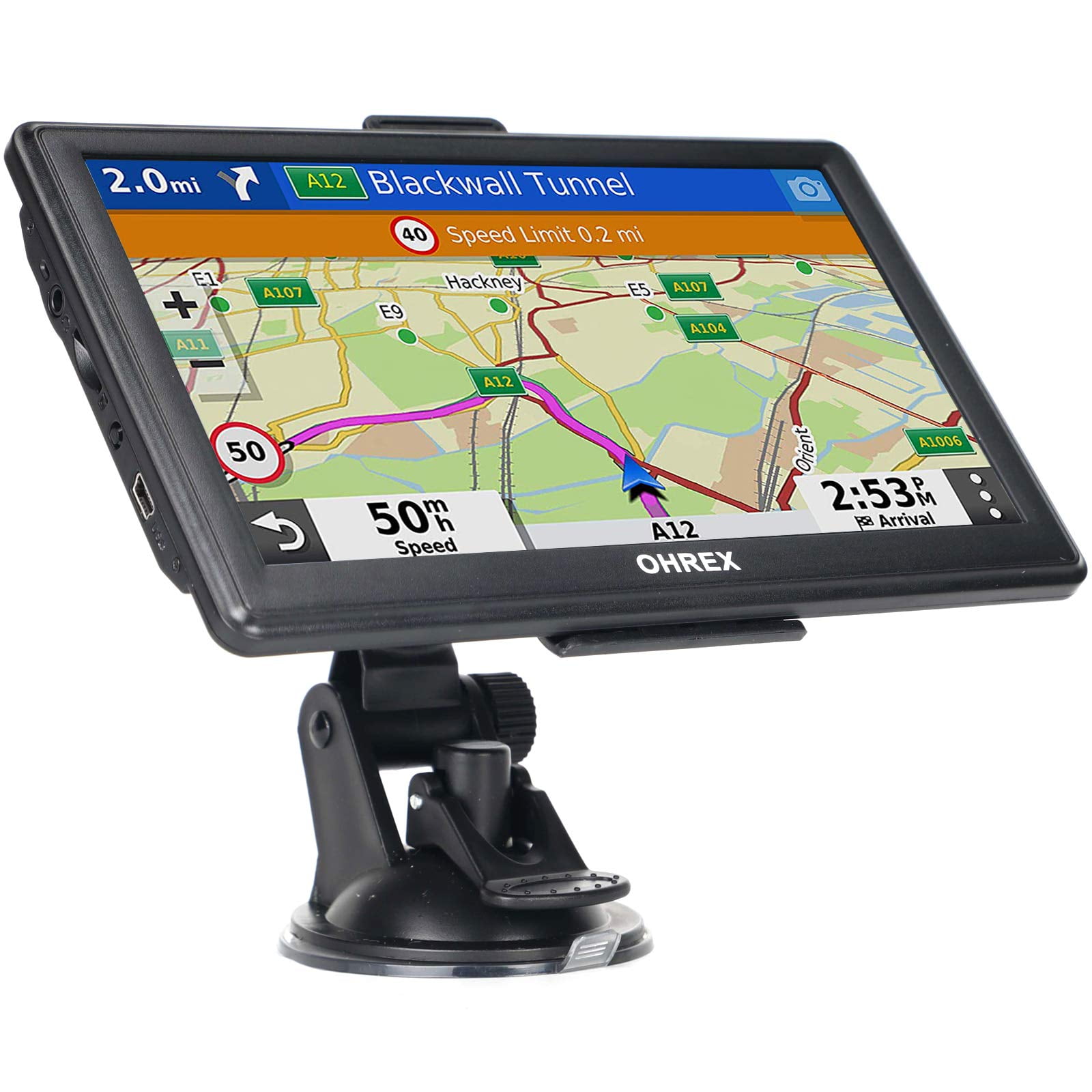

Section 2: Key Features to Look for in a Semi-Truck GPS
When browsing semi-truck GPS for sale, consider the following features:
- Truck-Specific Routing: This is the most critical feature. Ensure the GPS allows you to input truck dimensions and weight to avoid restricted routes.
- Up-to-Date Maps: Regular map updates are crucial to ensure accurate routing and avoid outdated restrictions.
- Real-Time Traffic and Weather Alerts: These alerts allow you to proactively adjust your route to avoid delays and hazardous conditions.
- Points of Interest (POI) Database: A comprehensive database of truck stops, weigh stations, repair shops, and rest areas is essential for long-haul drivers.
- HOS Integration: If you use an ELD, look for a GPS that can integrate with it to track your hours of service.
- Bluetooth Connectivity: Allows you to connect your smartphone for hands-free calling and access to other apps.
- Voice Navigation: Provides clear and concise directions without requiring you to take your eyes off the road.
- Large, Easy-to-Read Screen: A clear and bright screen is essential for visibility, especially in bright sunlight.
- Durability: Trucking environments can be tough, so choose a GPS that is built to withstand vibrations and temperature extremes.
- Ease of Use: An intuitive interface and simple menu navigation will save you time and frustration.
- Lane Assist: A feature that guides you into the correct lane before making a turn or exiting the highway.
- Dashcam Integration: Some GPS units allow you to connect a dashcam to record video of your drives.
Section 3: Types of Semi-Truck GPS Units
Semi-truck GPS units come in various forms:
- Dedicated GPS Devices: These are standalone units designed specifically for truck navigation. They typically offer the most comprehensive features and truck-specific routing capabilities.
- Tablet-Based GPS Apps: Some GPS apps are designed for truck navigation and can be used on tablets. These apps may offer subscription-based map updates and features.
- Smartphone GPS Apps: While some smartphone GPS apps offer basic truck routing, they may not be as reliable or comprehensive as dedicated GPS devices.
The best choice depends on your budget, needs, and preferences. Dedicated GPS devices generally offer the most robust features and reliability, while tablet-based apps can be a more affordable option.
Section 4: How to Choose the Right Semi-Truck GPS
Selecting the right semi-truck GPS requires careful consideration. Here's a step-by-step guide:
- Define Your Needs: Determine your priorities. Do you need HOS integration? Real-time traffic updates? A large screen?
- Set a Budget: Semi-truck GPS units range in price from a few hundred dollars to over a thousand dollars. Establish a budget before you start shopping.
- Research Different Brands and Models: Read reviews and compare features to find the best GPS for your needs. Consider brands like Garmin, Rand McNally, and TomTom.
- Check Map Coverage and Update Frequency: Ensure the GPS covers the areas you typically drive and that map updates are readily available.
- Consider the User Interface: Look for a GPS with an intuitive interface that is easy to navigate while driving.
- Read Customer Reviews: See what other truckers are saying about the GPS you are considering.
- Check the Warranty: Make sure the GPS comes with a warranty in case of defects.
Section 5: Important Considerations Before Buying
Before making a purchase, consider these factors:
- Map Updates: How often are map updates released, and how much do they cost? Outdated maps can lead to inaccurate routing and safety hazards.
- Customer Support: Does the manufacturer offer reliable customer support in case you have questions or encounter problems?
- Ease of Installation: Is the GPS easy to install in your truck? Does it come with all the necessary mounting hardware?
- Power Source: Does the GPS use a cigarette lighter adapter or a hardwired power connection? Ensure the power source is compatible with your truck.
- Return Policy: Check the seller's return policy in case you are not satisfied with the GPS.
Section 6: Tips for Using Your Semi-Truck GPS Effectively
- Always Input Truck Dimensions and Weight: This is crucial for accurate routing and avoiding restricted areas.
- Update Maps Regularly: Keep your maps up-to-date to ensure accurate routing and avoid outdated restrictions.
- Plan Your Route in Advance: Review your route before you start driving to familiarize yourself with the roads and potential hazards.
- Use Voice Navigation: Keep your eyes on the road and rely on voice navigation for directions.
- Pay Attention to Traffic and Weather Alerts: Adjust your route as needed to avoid delays and hazardous conditions.
- Familiarize Yourself with the GPS Features: Take the time to learn all the features of your GPS to get the most out of it.
- Mount the GPS Securely: Ensure the GPS is mounted securely in your truck to prevent it from falling and causing distractions.
Section 7: Potential Challenges and Solutions
- Inaccurate Routing: Even with truck-specific GPS units, errors can occur. Always double-check the route and be aware of your surroundings.
- Solution: Compare the GPS route with paper maps or online resources. Report any inaccuracies to the GPS manufacturer.
- Map Update Costs: Map updates can be expensive.
- Solution: Look for GPS units that offer free map updates for the lifetime of the device or consider a subscription-based service.
- Technical Issues: GPS units can sometimes malfunction or experience technical issues.
- Solution: Contact the manufacturer's customer support for assistance. Keep a backup GPS or smartphone app as a contingency plan.
- Distraction: Using a GPS while driving can be distracting.
- Solution: Plan your route in advance and use voice navigation to minimize distractions. Never program the GPS while driving.
Section 8: Table Price for Semi Truck GPS For Sale
| Brand | Model | Key Features | Price (USD) | Map Updates | HOS Integration | Screen Size |
|---|---|---|---|---|---|---|
| Garmin | dezl OTR710 | Truck-specific routing, load-to-dock guidance, voice control, live traffic | $499.99 | Lifetime | Yes | 7" |
| Rand McNally | TND 750 | Advanced lane guidance, truck-specific POIs, fuel logs, virtual dashboard | $449.99 | Lifetime | Yes | 7" |
| TomTom | GO PROFESSIONAL 6250 | Truck-specific routing, real-time traffic, dedicated truck POIs, customizable routes | $399.99 | Lifetime | No | 6" |
| Garmin | dezl LGV810 | Large display, custom truck routing, load-to-dock guidance, prePass integration | $799.99 | Lifetime | Yes | 8" |
| Rand McNally | OverDryve 8 Pro II | ELD compatibility, built-in dash cam, truck-specific navigation, Wi-Fi connectivity | $699.99 | Lifetime | Yes | 8" |
Note: Prices are approximate and may vary depending on the retailer.
Conclusion: Investing in the Right Tool
Choosing the right semi-truck GPS is a crucial decision for any professional driver. By carefully considering your needs, budget, and the features available, you can select a GPS that will enhance your safety, efficiency, and compliance. Remember to prioritize truck-specific routing, up-to-date maps, and real-time traffic alerts. Investing in a quality semi-truck GPS is an investment in your career and your well-being on the road.
Frequently Asked Questions (FAQ)
- Q: Can I use a regular car GPS in my semi-truck?
- A: While technically possible, it's not recommended. Car GPS units don't account for truck-specific restrictions and can lead to dangerous and costly mistakes.
- Q: How often should I update my GPS maps?
- A: At least every few months, or as frequently as updates are released by the manufacturer.
- Q: What is HOS integration?
- A: HOS (Hours of Service) integration allows your GPS to connect with your ELD (Electronic Logging Device) to track your driving hours and ensure compliance with federal regulations.
- Q: Are lifetime map updates really free?
- A: Typically, "lifetime" refers to the lifespan of the device itself, not your lifetime. Check the terms and conditions carefully.
- Q: What if my GPS route takes me on a restricted road?
- A: Always prioritize posted road signs over GPS directions. If you encounter a restricted road, find an alternative route.
- Q: Where can I buy a semi-truck GPS?
- A: You can purchase semi-truck GPS units from online retailers like Amazon, truck stops, and electronics stores.
- Q: What is load-to-dock guidance?
- A: Load-to-dock guidance provides specific directions for the final leg of your journey, helping you navigate to the correct loading dock at your destination.

