Semi Truck GPS For Sale: Navigating the Road to Efficiency and Safety
In the demanding world of commercial trucking, every mile counts. Efficiency, safety, and accurate navigation are paramount for drivers and fleet managers alike. That's where a specialized semi-truck GPS comes in. Unlike standard car GPS units, these devices are designed specifically for the unique challenges and requirements of hauling heavy loads across vast distances. This article serves as a comprehensive guide to understanding semi-truck GPS systems, exploring the factors to consider when purchasing one, and navigating the landscape of "semi truck GPS for sale."
Why a Dedicated Semi Truck GPS is Essential
Semi Truck GPS For Sale: Navigating the Road to Efficiency and Safety
Imagine a scenario: a truck driver, relying on a standard car GPS, is directed down a residential street, only to find themselves facing a low bridge they cannot clear. This isn't just an inconvenience; it's a costly error that can result in damage to the truck, the bridge, and potentially, injuries.
Semi-truck GPS units address these issues by incorporating crucial data points specific to commercial trucking:
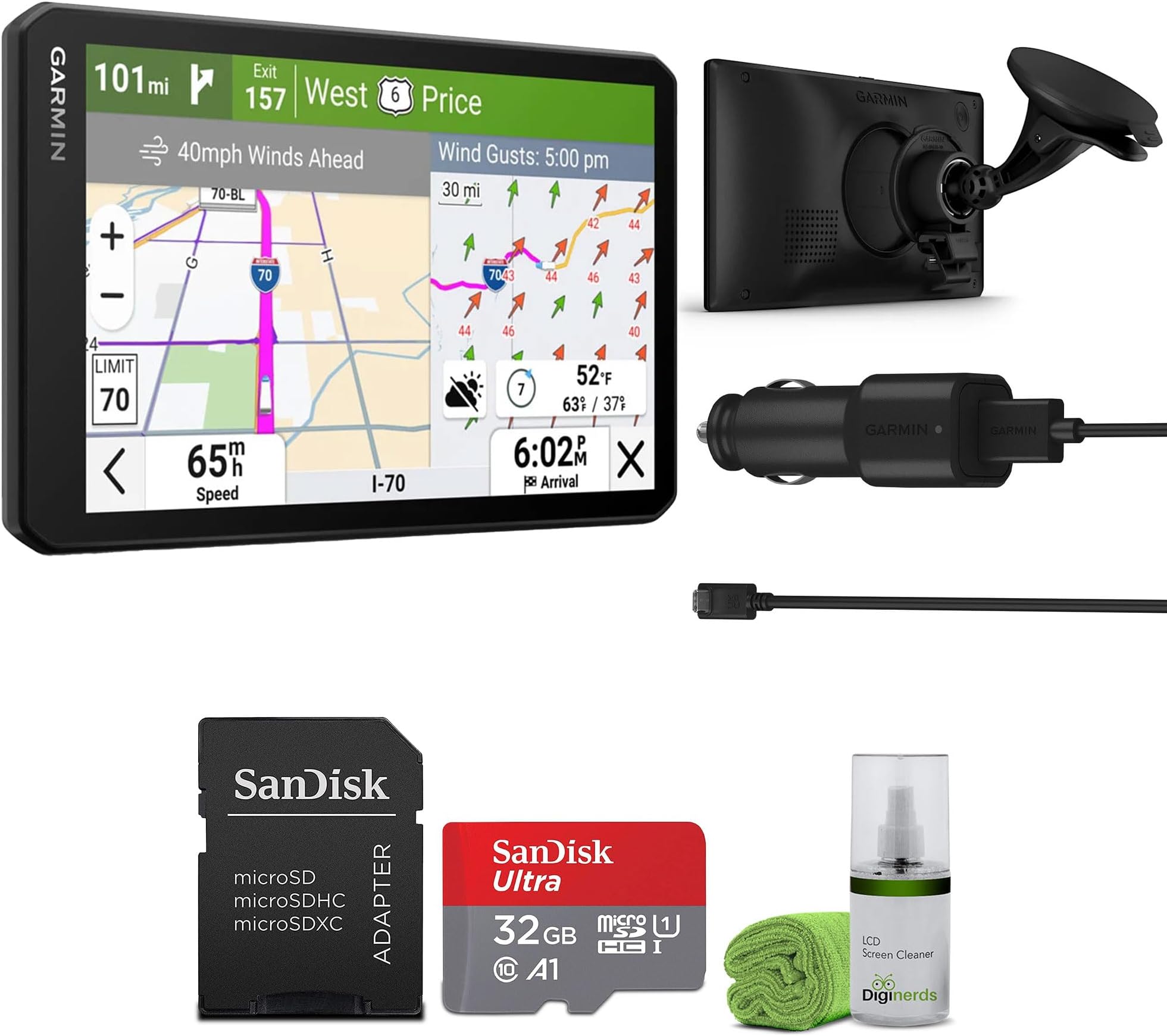
- Truck-Specific Routing: These GPS units allow drivers to input their truck's dimensions (height, weight, length, width) and cargo type (hazardous materials, etc.). The GPS then calculates routes that avoid low bridges, weight-restricted roads, sharp turns, and other hazards unsuitable for large vehicles.
- Real-Time Traffic Updates: Accurate and up-to-date traffic information allows drivers to avoid congestion and delays, optimizing routes and improving delivery times.
- Points of Interest (POIs) for Truckers: These devices are pre-loaded with information on truck stops, weigh stations, rest areas, repair shops, and other essential amenities specifically catering to truck drivers.
- Electronic Logging Device (ELD) Compatibility: Many semi-truck GPS units are designed to integrate seamlessly with ELDs, helping drivers maintain accurate logs of their hours of service (HOS) and comply with federal regulations.
- Fuel Optimization: Some advanced GPS systems can analyze driving habits and route characteristics to suggest fuel-efficient routes and driving techniques, ultimately saving money on fuel costs.
Choosing the Right Semi Truck GPS: Key Considerations
When searching for "semi truck GPS for sale," several factors should influence your decision:
- Accuracy and Reliability: A GPS is only as good as its accuracy. Look for devices with reliable GPS reception, even in remote areas. Check user reviews and independent tests to gauge the device's overall accuracy.
- Map Updates: Road conditions and regulations change frequently. Ensure the GPS unit offers regular and affordable map updates. Subscription-based map updates are common, and some manufacturers offer lifetime updates.
- Ease of Use: A user-friendly interface is crucial, especially for drivers who spend long hours on the road. Look for a device with a clear, bright display, intuitive menus, and voice-guided navigation.
- Features and Functionality: Consider the features that are most important to you, such as Bluetooth connectivity for hands-free calling, dashcam integration, weather forecasts, and ELD compatibility.
- Durability: Trucking environments can be tough. Choose a GPS unit that is built to withstand vibrations, extreme temperatures, and accidental drops.
- Price: Semi-truck GPS units range in price from a few hundred dollars to over a thousand. Set a budget and compare features and specifications within that range.

Types of Semi Truck GPS Units
The market offers a variety of semi-truck GPS options. Here are some common categories:
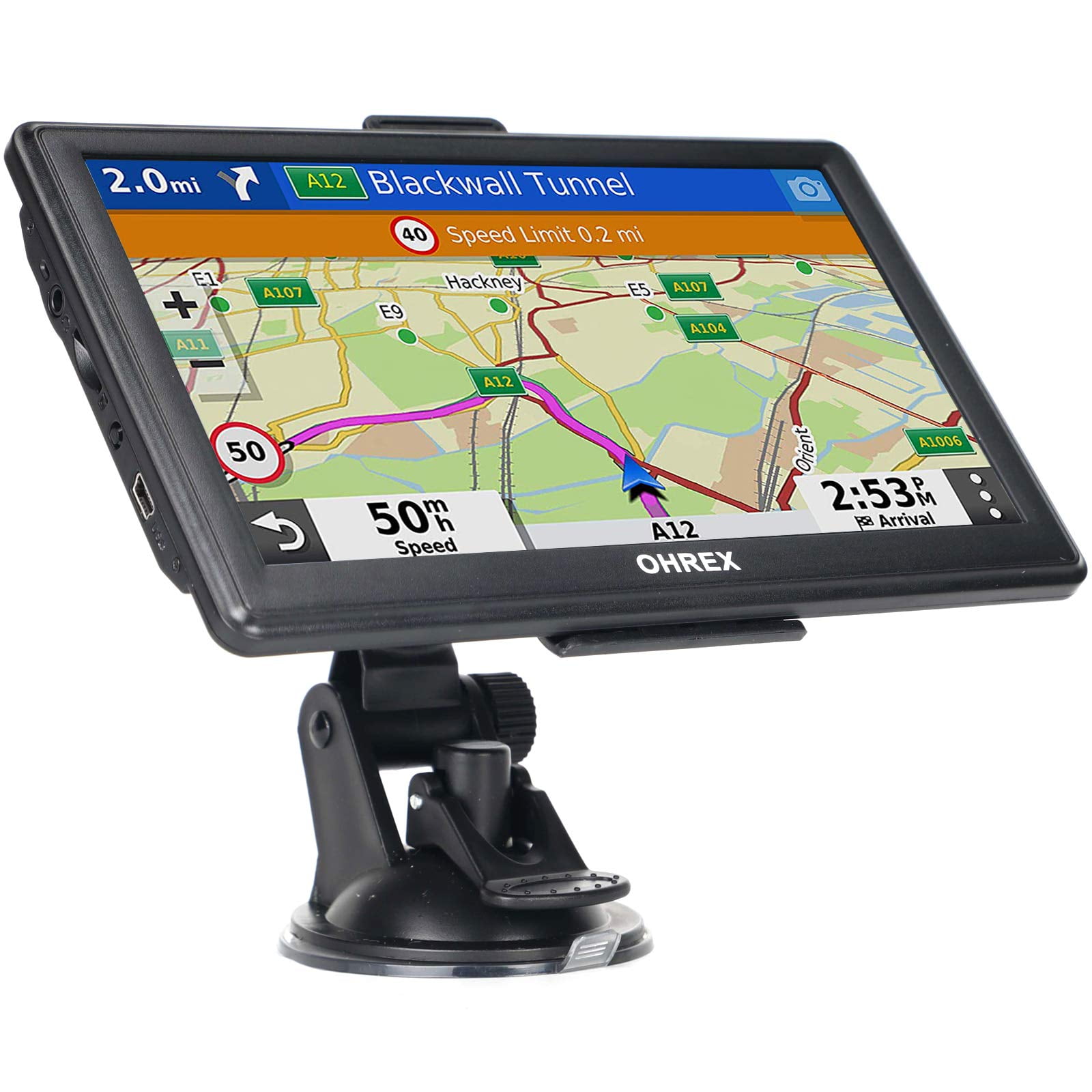
- Standalone GPS Units: These are dedicated GPS devices designed specifically for trucks. They typically offer the most comprehensive features and truck-specific routing capabilities.
- Smartphone Apps: While not as robust as dedicated GPS units, some smartphone apps offer truck-specific navigation. However, using a smartphone for navigation can drain battery life and may not be as reliable in areas with poor cell service.
- Integrated Telematics Systems: These systems combine GPS navigation with other fleet management features, such as vehicle tracking, driver behavior monitoring, and maintenance alerts. They are typically more expensive but offer a comprehensive solution for fleet management.
How to Install and Use a Semi Truck GPS
Installing a semi-truck GPS is generally straightforward:
- Mount the GPS Unit: Most GPS units come with a suction cup mount that attaches to the windshield or dashboard. Ensure the mount is securely attached and positioned for optimal visibility.
- Connect the Power Cable: Plug the power cable into the GPS unit and then into the truck's cigarette lighter or power outlet.
- Turn on the GPS Unit: Follow the on-screen instructions to set up the GPS unit, including language preferences, time zone, and truck profile.
- Enter Your Destination: Use the GPS unit's keyboard or voice recognition to enter your destination.
- Follow the Navigation Instructions: The GPS unit will provide turn-by-turn directions, including voice prompts.
Tips for Maximizing the Benefits of Your Semi Truck GPS
- Keep Your Maps Updated: Regularly update your GPS maps to ensure you have the most accurate road information.
- Plan Your Routes in Advance: Use the GPS unit's route planning feature to plan your routes in advance, taking into account traffic conditions and potential hazards.
- Be Aware of Your Surroundings: Always be aware of your surroundings, even when using a GPS. Do not rely solely on the GPS for navigation.
- Use the POI Database: Take advantage of the GPS unit's POI database to find truck stops, weigh stations, and other essential amenities.
- Monitor Fuel Consumption: Use the GPS unit's fuel monitoring features to track your fuel consumption and identify areas where you can improve your driving habits.
- Stay Compliant: Ensure your GPS unit is compliant with all federal and state regulations, including ELD mandates.
Potential Challenges and Solutions
- GPS Signal Interference: In areas with tall buildings or dense foliage, GPS signals can be weak or intermittent. Try repositioning the GPS unit or using an external antenna.
- Incorrect Routing: Sometimes, GPS units may provide incorrect routing directions. Always double-check the route and be prepared to adjust your course if necessary.
- Distraction: Using a GPS while driving can be distracting. Use voice-guided navigation and keep your eyes on the road.
Table: Semi Truck GPS Price Comparison
| Brand & Model | Key Features | Price (USD) | Map Updates | ELD Compatibility | Screen Size | Durability Rating |
|---|---|---|---|---|---|---|
| Garmin dezl OTR710 | Truck-specific routing, load-to-dock guidance, voice control, Bluetooth, preloaded truck stops | $499.99 | Lifetime | Yes | 7" | High |
| Rand McNally TND 750 | Truck-specific routing, advanced lane guidance, fuel logs, real-time traffic, weather forecasts | $449.99 | Lifetime | Yes | 7" | Medium |
| TomTom Trucker 620 | Truck-specific routing, customized alerts, real-time traffic, Wi-Fi updates | $399.99 | Lifetime | No | 6" | Medium |
| DriveTrack 71 | Wireless Backup Camera Compatible, truck-specific routing, preloaded points of interest for truckers | $599.99 | Lifetime | No | 7" | High |
| Magellan RoadMate RV9455T-LM | Free lifetime map and traffic updates, OneTouch™ favorites menu, RV specific routing, preloaded RV parks and campgrounds, customizable RV profiles, backup camera compatible | $349.99 | Lifetime | No | 5" | Medium |
Prices are approximate and may vary depending on the retailer.
Frequently Asked Questions (FAQ)
-
Q: Can I use a regular car GPS in a semi-truck?
- A: While technically possible, it's highly discouraged. Car GPS units lack the truck-specific routing capabilities and POIs needed for safe and efficient trucking.
-
Q: How often should I update my GPS maps?
- A: Ideally, you should update your maps at least quarterly, or more frequently if you drive in areas with rapid development or road construction.
-
Q: What is ELD compatibility?
- A: ELD compatibility means the GPS unit can connect to an Electronic Logging Device (ELD) to automatically record driving time and comply with HOS regulations.
-
Q: Are lifetime map updates really lifetime?
- A: "Lifetime" typically refers to the lifespan of the device itself. Check the manufacturer's terms and conditions for specific details.
-
Q: Where can I buy a semi-truck GPS?
- A: Semi-truck GPS units are available at truck stops, electronics retailers, and online retailers like Amazon.
Conclusion
Investing in a high-quality semi-truck GPS is a smart decision for any professional truck driver or fleet manager. These devices provide essential tools for safe, efficient, and compliant navigation. By carefully considering your needs, budget, and the features offered by different models, you can find a GPS that helps you navigate the road with confidence and maximize your productivity. Remember to prioritize accuracy, reliability, and ease of use to ensure a smooth and stress-free driving experience. The world of "semi truck GPS for sale" offers a solution for every need, so take the time to research and find the perfect fit for your trucking operation.

