Semi Truck Scales For Sale: A Comprehensive Guide to Weighing Solutions for Your Fleet
Introduction: The Cornerstone of Compliance and Efficiency
In the demanding world of commercial trucking, accuracy and compliance are paramount. Overloaded trucks pose significant safety risks, damage infrastructure, and lead to hefty fines. This is where semi-truck scales, also known as truck scales or weighbridges, come into play. These robust and precise weighing systems are essential for ensuring that semi-trucks and other heavy vehicles comply with weight regulations, optimize load distribution, and maintain safe operating conditions. If you're in the market for "Semi Truck Scales For Sale," this comprehensive guide will provide you with the knowledge you need to make an informed decision, covering everything from types and benefits to practical considerations and common pitfalls.
Semi Truck Scales For Sale: A Comprehensive Guide to Weighing Solutions for Your Fleet
Section 1: Understanding the Importance of Semi Truck Scales
Semi-truck scales are not merely a regulatory requirement; they are a strategic investment that contributes to the overall efficiency and profitability of your trucking operation. Here's why:
- Regulatory Compliance: Federal and state laws impose strict weight limits on commercial vehicles. Truck scales enable you to verify that your loads are within these limits, avoiding costly fines and penalties from DOT (Department of Transportation) inspections.
- Safety Enhancement: Overloaded trucks are more prone to accidents due to reduced braking efficiency, increased tire stress, and compromised handling. Accurate weighing ensures your vehicles operate safely, protecting drivers, cargo, and other road users.
- Load Optimization: By knowing the precise weight of your load, you can optimize distribution within the trailer, maximizing carrying capacity without exceeding legal limits. This leads to more efficient trips and increased revenue.
- Preventing Equipment Damage: Excessive weight can damage truck components like axles, tires, and suspension systems. Regular weighing helps prevent premature wear and tear, reducing maintenance costs and downtime.
- Accurate Billing and Inventory Management: Truck scales provide accurate weight data for billing purposes, ensuring fair charges for both shippers and carriers. They also aid in inventory management, allowing you to track the weight of incoming and outgoing goods.

Section 2: Types of Semi Truck Scales Available
The market offers a variety of semi-truck scales, each suited for different applications and budgets. Here's a breakdown of the most common types:
- Above-Ground Scales: These scales are installed on a concrete foundation above the ground. They are generally easier and less expensive to install than pit scales, making them a popular choice for many operations.
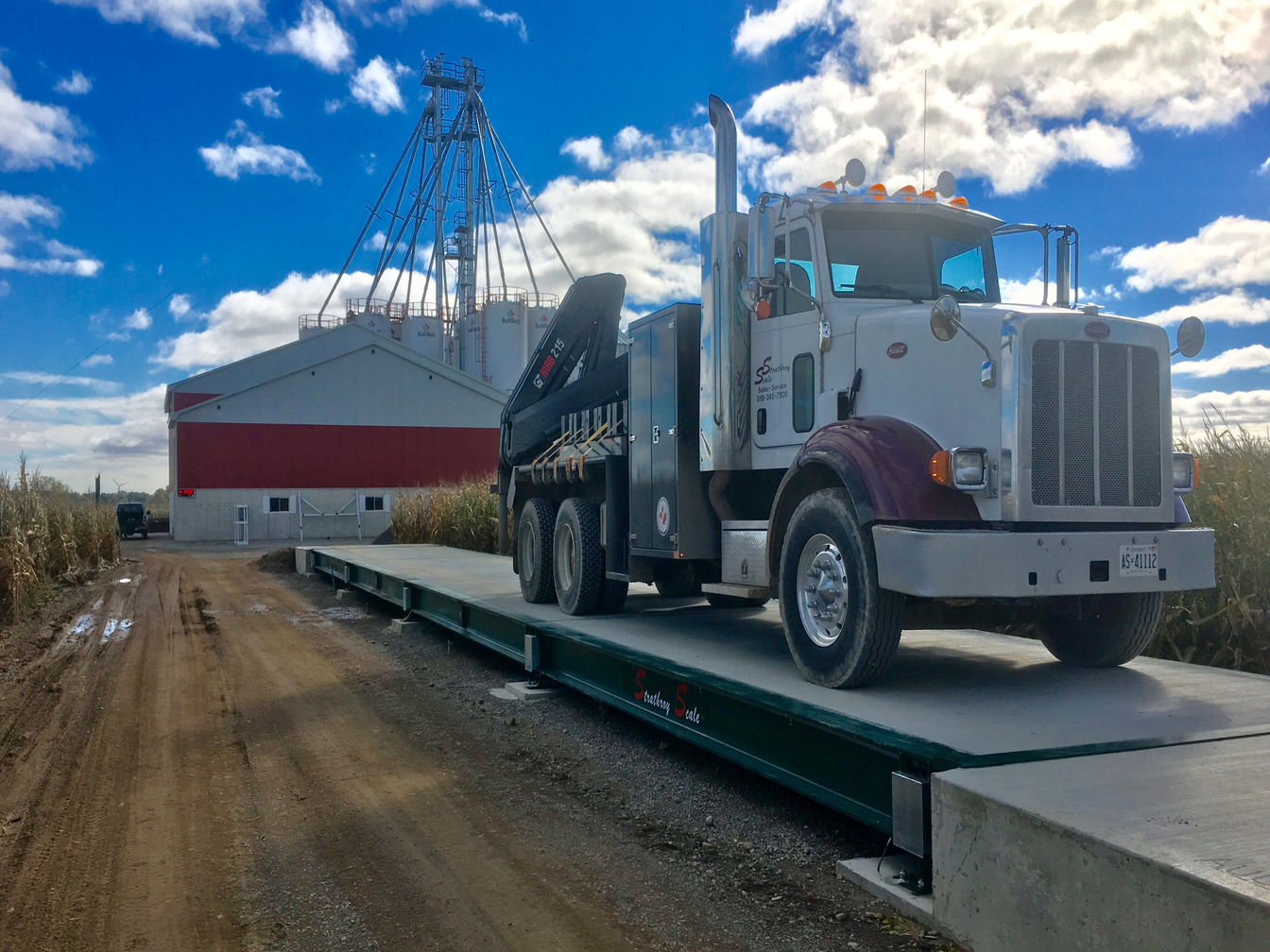
- Pros: Lower initial cost, easier relocation, simpler maintenance.
- Cons: Requires more space, may require ramps for accessibility, can be affected by weather conditions if not properly protected.
- Pit Scales: These scales are flush with the ground, installed in a concrete pit. They offer a more aesthetically pleasing appearance and are less susceptible to environmental factors.
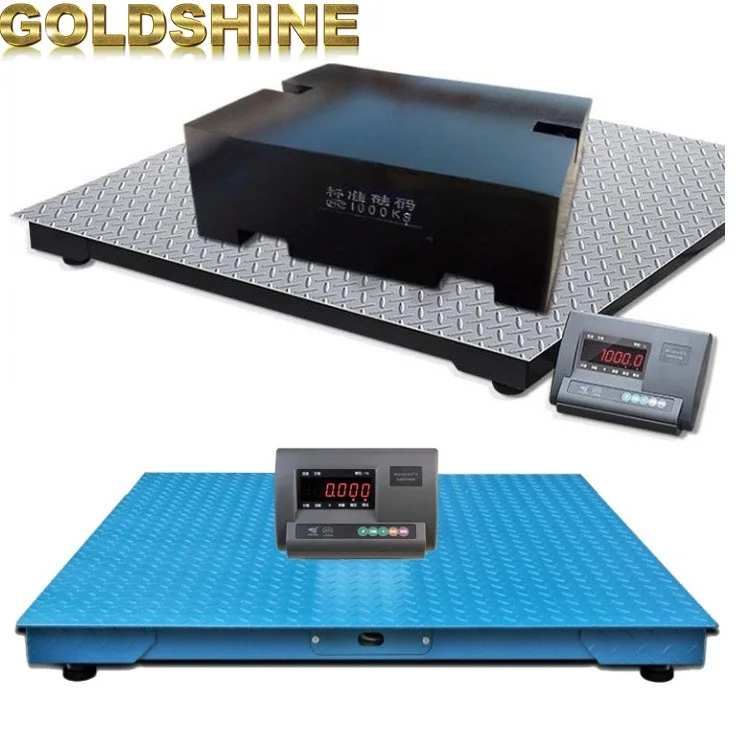
- Pros: Space-saving, less susceptible to wind and debris, easier vehicle access.
- Cons: Higher installation cost, more complex maintenance, difficult to relocate.
- Portable Scales: These scales are designed for mobility and flexibility. They are typically used for temporary weighing operations or in situations where a permanent scale is not feasible.
- Pros: Easy to transport and set up, ideal for remote locations, cost-effective for temporary use.
- Cons: Lower weight capacity compared to permanent scales, may require calibration more frequently, susceptible to uneven ground conditions.
- Axle Scales: These scales weigh individual axles of a truck. They are often used for pre-weighing purposes to identify potential overloads before reaching a full-scale weigh station.
- Pros: Lower cost than full truck scales, compact size, can be used in confined spaces.
- Cons: Requires multiple weighings for each axle, less accurate than full truck scales, doesn't provide total gross weight.
Section 3: Key Considerations When Buying a Semi Truck Scale
Choosing the right semi-truck scale requires careful consideration of several factors:
- Weight Capacity: Determine the maximum weight you need to weigh, considering the heaviest vehicles and loads you anticipate. Choose a scale with a capacity that exceeds your expected weight by at least 20% to ensure safe and accurate operation.
- Scale Length: Select a scale length that can accommodate the longest vehicles you will be weighing. A scale that is too short will not accurately weigh the entire vehicle.
- Accuracy: Consider the required accuracy for your application. Legal-for-trade scales used for billing purposes must meet stringent accuracy standards.
- Durability: Look for scales made from high-quality materials that can withstand harsh weather conditions and heavy use. Steel or concrete decks are common choices.
- Location: Determine the best location for your scale, considering factors such as traffic flow, accessibility, and environmental conditions.
- Connectivity: Consider whether you need connectivity options such as data logging, remote display, or integration with your existing business systems.
- Budget: Set a realistic budget that includes the cost of the scale, installation, calibration, and ongoing maintenance.
Section 4: Installation and Calibration
Proper installation and calibration are crucial for ensuring the accuracy and reliability of your semi-truck scale.
- Installation: Follow the manufacturer's instructions carefully during installation. It's often recommended to hire a qualified technician to ensure proper setup and alignment. Pit scales require more complex installation due to the need for excavation and concrete work.
- Calibration: Calibration involves adjusting the scale to ensure it provides accurate readings. This process should be performed by a certified scale technician using calibrated test weights. Regular calibration is essential to maintain accuracy over time. The frequency of calibration depends on the usage of the scale, but at least annual calibration is recommended.
Section 5: Maintenance and Troubleshooting
Regular maintenance is essential for prolonging the life of your semi-truck scale and ensuring its continued accuracy.
- Cleaning: Keep the scale deck clean and free of debris. Dirt and grime can affect the accuracy of the scale.
- Inspection: Regularly inspect the scale for any signs of damage or wear, such as cracks, corrosion, or loose connections.
- Lubrication: Lubricate moving parts according to the manufacturer's recommendations.
- Troubleshooting: If you encounter any problems with your scale, consult the manufacturer's manual or contact a qualified technician for assistance. Common issues include inaccurate readings, error messages, and communication problems.
Section 6: Price Table for Semi Truck Scales For Sale
| Scale Type | Capacity (lbs) | Length (ft) | Material | Features | Approximate Price (USD) |
|---|---|---|---|---|---|
| Above-Ground | 120,000 | 70 | Steel | Digital Indicator, Printer Port | $25,000 - $40,000 |
| Pit Scale | 120,000 | 70 | Steel/Concrete | Digital Indicator, Remote Display, Data Logging | $40,000 - $60,000 |
| Portable Scale Set | 60,000 (Axle) | N/A | Aluminum | Wireless Indicator, Carrying Cases | $8,000 - $15,000 |
| Axle Scale (Single) | 30,000 | N/A | Steel | Digital Display | $2,000 - $5,000 |
Note: Prices are approximate and can vary depending on the manufacturer, features, and installation costs.
Section 7: Common Challenges and Solutions
- Challenge: Inaccurate readings due to uneven ground or debris.
- Solution: Ensure the scale is installed on a level surface and regularly clean the deck.
- Challenge: Calibration drift over time.
- Solution: Schedule regular calibration by a certified technician.
- Challenge: Damage from heavy loads or harsh weather conditions.
- Solution: Choose a durable scale made from high-quality materials and implement a regular maintenance program.
- Challenge: Difficulty integrating the scale with existing business systems.
- Solution: Choose a scale with flexible connectivity options and work with a software provider to ensure seamless integration.
Conclusion: Investing in Accurate Weighing for Long-Term Success
Investing in a semi-truck scale is a crucial decision that impacts compliance, safety, and profitability. By understanding the different types of scales, considering your specific needs, and implementing a regular maintenance program, you can ensure that your scale provides accurate and reliable weighing for years to come. Don't view a truck scale as just an expense; see it as a strategic investment that protects your business, enhances safety, and contributes to long-term success in the competitive trucking industry.
Frequently Asked Questions (FAQ)
-
Q: How often should I calibrate my semi-truck scale?
- A: At least annually, or more frequently depending on usage and environmental conditions. Legal-for-trade scales may require more frequent calibration.
-
Q: What is the difference between an above-ground scale and a pit scale?
- A: Above-ground scales are installed on a concrete foundation above the ground, while pit scales are flush with the ground in a concrete pit. Pit scales are more space-saving and aesthetically pleasing, but also more expensive to install.
-
Q: Can I install a semi-truck scale myself?
- A: While it's possible, it's generally recommended to hire a qualified technician to ensure proper installation and calibration. This is especially important for pit scales.
-
Q: What is a "legal-for-trade" scale?
- A: A legal-for-trade scale meets stringent accuracy standards set by regulatory agencies and is approved for use in commercial transactions where weight is used to determine the price of goods.
-
Q: What are the common causes of inaccurate scale readings?
- A: Common causes include uneven ground, debris on the scale deck, calibration drift, and damage to the scale components.

