Steer Tires For Semi Trucks For Sale: A Comprehensive Guide for Truckers and Fleet Managers
Introduction: The Cornerstone of Safety and Efficiency
In the demanding world of commercial trucking, where safety, efficiency, and cost-effectiveness are paramount, the tires on your semi-truck are far more than just rubber and steel. They are critical components that directly impact vehicle handling, fuel economy, and overall operational success. Among these tires, steer tires hold a particularly crucial role. Located on the front axle, steer tires are responsible for directional control, braking, and absorbing road shocks. Choosing the right steer tires for your semi-truck is an investment in safety, performance, and your bottom line. This comprehensive guide will navigate you through the world of steer tires for semi-trucks, from understanding their importance to finding the best options for sale.
Steer Tires For Semi Trucks For Sale: A Comprehensive Guide for Truckers and Fleet Managers
Why Steer Tires Matter: Safety, Performance, and the Bottom Line
Steer tires are the unsung heroes of the trucking industry. Their importance cannot be overstated for several reasons:
- Enhanced Safety: Steer tires are the first line of defense in maintaining control of a semi-truck. They provide the necessary grip and stability for precise steering, especially during emergency maneuvers or adverse weather conditions. Worn or inadequate steer tires significantly increase the risk of accidents.
- Improved Handling: Properly selected steer tires contribute to smoother handling and a more comfortable ride. This is crucial for driver fatigue reduction and maintaining consistent performance over long distances.
- Optimal Braking Performance: During braking, the steer tires bear a significant portion of the load. High-quality steer tires with advanced tread designs ensure optimal braking performance, reducing stopping distances and enhancing safety.
- Fuel Efficiency: Steer tires with low rolling resistance can contribute to improved fuel economy. While the impact might seem small on a per-tire basis, over the lifespan of a truck and an entire fleet, the savings can be substantial.
- Compliance and Regulations: Regulatory bodies like the Department of Transportation (DOT) have strict guidelines for tire condition and tread depth. Ensuring your steer tires meet these standards is crucial for avoiding fines and maintaining compliance.
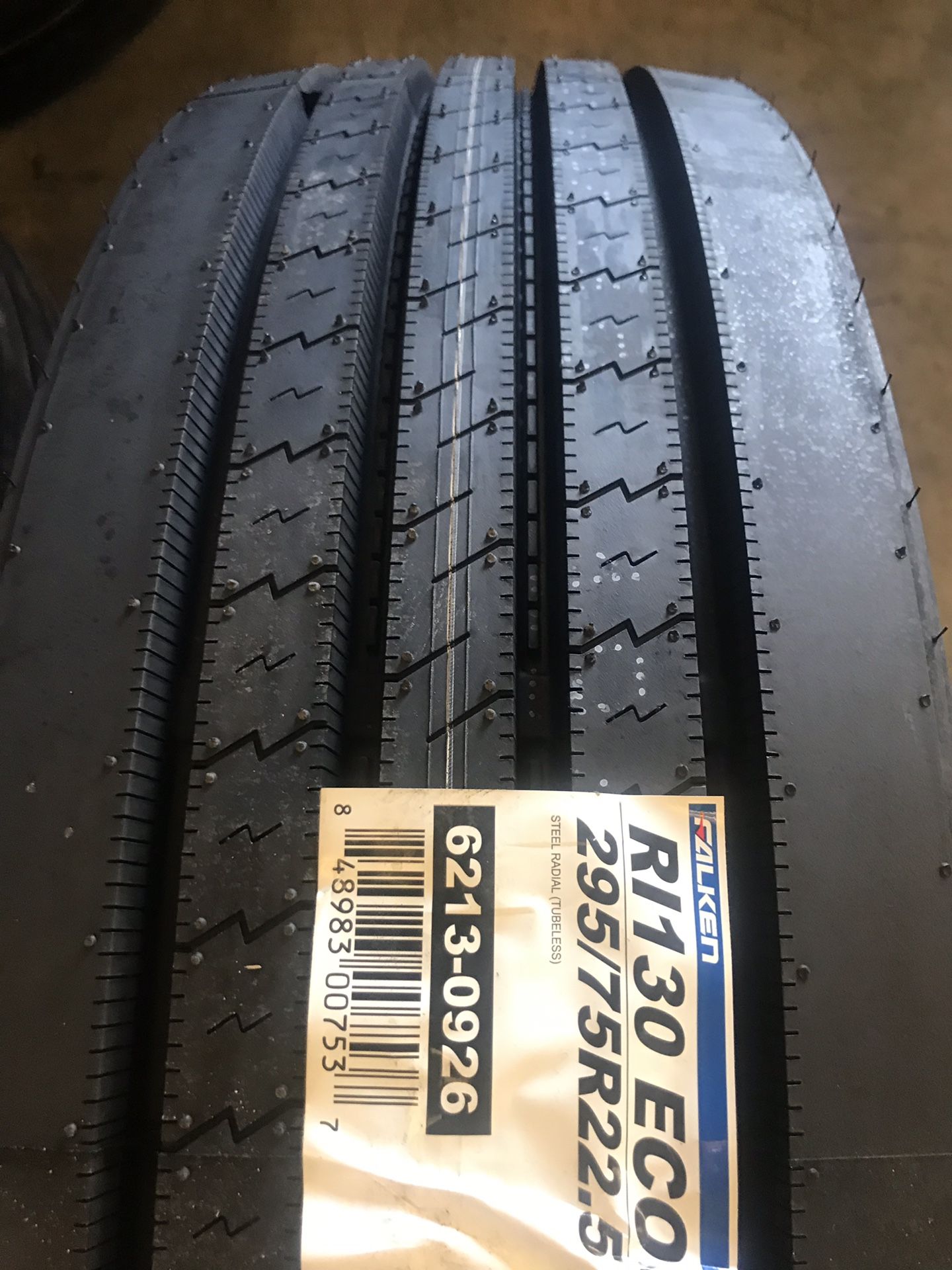
Key Considerations When Buying Steer Tires
Before diving into the market for steer tires, consider the following factors to ensure you make an informed decision:
- Tire Size: Consult your vehicle's manual or the existing tires to determine the correct tire size. Using the wrong size can compromise handling, safety, and even damage the vehicle.
- Load Rating: The load rating indicates the maximum weight a tire can safely carry. Ensure the load rating of your steer tires meets or exceeds the requirements of your truck's front axle weight.
- Speed Rating: The speed rating indicates the maximum speed at which a tire can operate safely under its rated load. Choose a speed rating that matches or exceeds the typical operating speeds of your truck.
- Tread Depth and Design: Tread depth is crucial for maintaining grip, especially in wet or snowy conditions. Consider the type of terrain and weather conditions your truck will encounter. Aggressive tread patterns provide better traction in off-road or severe weather situations, while smoother tread patterns offer lower rolling resistance for highway driving.
- Rolling Resistance: Lower rolling resistance translates to better fuel economy. Look for steer tires with the "SmartWay" certification from the EPA, which indicates that the tires have been verified to reduce rolling resistance and improve fuel efficiency.
- Durability and Longevity: Consider the tire's construction and materials. Look for tires with reinforced sidewalls and durable tread compounds to withstand the demands of commercial trucking.
- Brand Reputation: Choose tires from reputable manufacturers with a proven track record of quality and performance. Read reviews and consult with other truckers or fleet managers to gather insights.
- Budget: While price is a factor, prioritize quality and safety over the cheapest option. Consider the long-term cost of ownership, including fuel savings, tire life, and potential downtime due to tire failures.
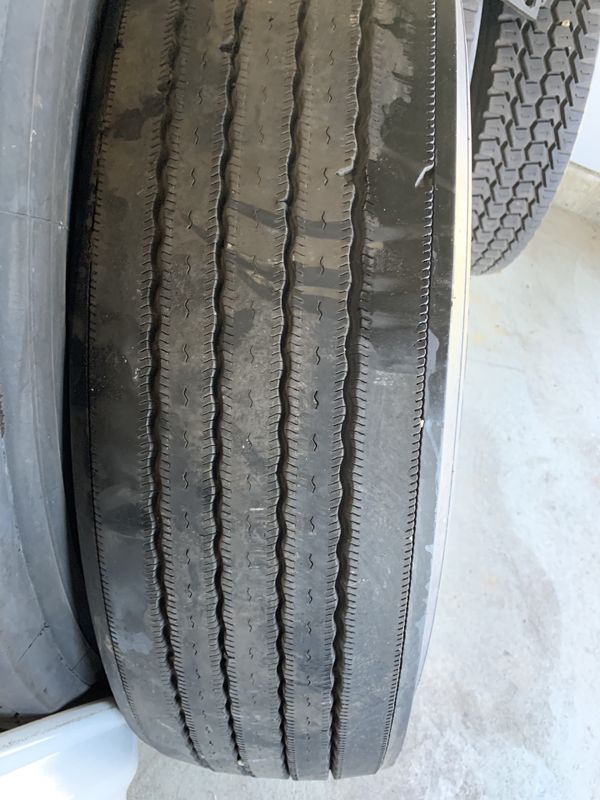

Types of Steer Tires for Semi-Trucks
Steer tires come in various types, each designed for specific applications and conditions:
- Highway Steer Tires: These tires are designed for long-haul highway driving. They typically feature a smoother tread pattern for lower rolling resistance and improved fuel efficiency.
- Regional Steer Tires: These tires offer a balance of highway performance and durability for regional hauling. They often have a slightly more aggressive tread pattern than highway tires for better traction in varying conditions.
- Mixed-Service Steer Tires: These tires are designed for trucks that operate both on and off-road. They feature a more aggressive tread pattern for enhanced traction in mud, gravel, and other challenging terrains.
- Wide-Base Steer Tires: These tires are wider than traditional steer tires, providing improved stability, handling, and load-carrying capacity. They can also contribute to better fuel efficiency.
Where to Find Steer Tires for Sale: Online Retailers, Local Dealers, and More
Finding the right steer tires for your semi-truck involves exploring various avenues:
- Online Tire Retailers: Websites like Tire Rack, SimpleTire, and Amazon offer a wide selection of steer tires from various brands. They often provide competitive pricing and convenient shipping options. Be sure to verify the seller's reputation and read reviews before making a purchase.
- Local Tire Dealers: Local tire dealers offer personalized service and expert advice. They can help you select the right tires for your specific needs and provide installation and maintenance services.
- Truck Stops: Major truck stops like Pilot Flying J and TravelCenters of America often have tire service centers that sell and install steer tires. This can be a convenient option for truckers who are on the road.
- Fleet Tire Programs: If you manage a fleet of trucks, consider enrolling in a fleet tire program. These programs often offer discounted pricing, dedicated account management, and nationwide service coverage.
Tips for Extending the Life of Your Steer Tires
Proper maintenance and driving habits can significantly extend the life of your steer tires:
- Regular Tire Pressure Checks: Check and maintain the correct tire pressure regularly, using a reliable tire pressure gauge. Underinflated tires can lead to premature wear, reduced fuel economy, and increased risk of blowouts.
- Proper Alignment: Ensure your truck's alignment is properly adjusted. Misalignment can cause uneven tire wear and reduce tire life.
- Regular Tire Rotation: Rotate your tires regularly to distribute wear evenly. Consult your vehicle's manual or a tire professional for recommended rotation patterns.
- Avoid Overloading: Never exceed the tire's load rating. Overloading can cause premature wear, tire damage, and increased risk of accidents.
- Smooth Driving Habits: Avoid aggressive acceleration, braking, and cornering. These driving habits can put excessive stress on your tires and reduce their lifespan.
- Regular Inspections: Inspect your tires regularly for signs of wear, damage, or foreign objects. Remove any debris and repair or replace damaged tires promptly.
Potential Challenges and Solutions
- Finding the Right Tire for Specific Needs: Solution: Consult with tire professionals, read reviews, and consider your truck's operating conditions.
- Budget Constraints: Solution: Prioritize quality and safety over the cheapest option. Explore financing options or consider purchasing retreaded tires (for drive and trailer axles, not recommended for steer axles).
- Tire Availability: Solution: Plan ahead and order tires in advance, especially during peak seasons. Consider using online retailers or fleet tire programs to ensure access to a wide selection of tires.
- Installation and Maintenance: Solution: Use reputable tire service centers for installation and maintenance. Ensure technicians are properly trained and use the correct tools and procedures.
Table Price: Steer Tires For Semi Trucks For Sale
| Tire Brand | Tire Model | Size | Load Range | Price (USD) | Key Features |
|---|---|---|---|---|---|
| Michelin | X Multi Energy Z | 295/75R22.5 | H | $450 - $550 | Fuel-efficient, long-lasting tread, all-position |
| Bridgestone | R284 Ecopia | 295/75R22.5 | H | $420 - $520 | Low rolling resistance, durable casing, regional/long-haul |
| Goodyear | Endurance RSA | 295/75R22.5 | H | $400 - $500 | All-weather performance, enhanced durability, regional/long-haul |
| Continental | HSL2 Eco Plus | 295/75R22.5 | H | $430 - $530 | Fuel-efficient, high mileage, all-position |
| Yokohama | 101ZL | 295/75R22.5 | H | $380 - $480 | Durable construction, good handling, regional/long-haul |
| Double Coin | RR905 | 295/75R22.5 | H | $280 - $350 | Budget-friendly, good mileage, regional |
| Hankook | AL21 | 295/75R22.5 | H | $350 - $450 | Balanced performance, good value, regional/long-haul |
| Sumitomo | ST727 | 295/75R22.5 | H | $320 - $400 | Durable casing, good mileage, regional |
Note: Prices are approximate and may vary depending on the retailer, location, and any ongoing promotions. It's always recommended to check with multiple vendors for the most accurate pricing.
Frequently Asked Questions (FAQ)
-
Q: How often should I replace my steer tires?
- A: The lifespan of steer tires depends on factors such as driving habits, road conditions, and tire quality. As a general guideline, steer tires should be replaced when the tread depth reaches the legal minimum (4/32 inch) or when they show signs of damage or excessive wear.
-
Q: Can I use retreaded tires on the steer axle?
- A: While retreaded tires can be a cost-effective option for drive and trailer axles, it is generally not recommended to use them on the steer axle due to safety concerns. New tires offer superior reliability and performance for steering and braking.
-
Q: What is the correct tire pressure for my steer tires?
- A: The correct tire pressure is typically listed on the tire placard located on the driver's side doorjamb or in the vehicle's manual. Always use a reliable tire pressure gauge and check the pressure when the tires are cold.
-
Q: How do I choose the right tread pattern for my steer tires?
- A: The best tread pattern depends on your truck's operating conditions. Smoother tread patterns are ideal for highway driving, while more aggressive tread patterns are better for off-road or severe weather conditions. Consult with a tire professional for personalized recommendations.
-
Q: What is the difference between load range and load index?
- A: Load range is a letter that indicates the tire's load-carrying capacity, while load index is a numerical code that corresponds to a specific load in kilograms. Both indicate the tire's maximum load capacity, but load index provides a more precise measurement.
-
Q: Are more expensive steer tires always better?
- A: Not necessarily. While higher-priced tires often offer better performance and durability, it's essential to consider your specific needs and budget. A mid-range tire from a reputable brand may be a better value for your application than a high-end tire with features you don't need.
Conclusion: Investing in Quality Steer Tires for a Safer and More Profitable Future
Choosing the right steer tires for your semi-truck is a critical decision that impacts safety, performance, and profitability. By carefully considering the factors outlined in this guide, you can make an informed decision and select steer tires that meet your specific needs and budget. Remember to prioritize safety, choose reputable brands, and maintain your tires properly to ensure a long and reliable service life. Investing in quality steer tires is an investment in a safer and more profitable future for your trucking operation.

